 Mushroom Matter
sharing mushroom news with care
Mushroom Matter
sharing mushroom news with care
Menubar




Mushroom Matter
Welcome on our platform. Why MUSHROOM MATTER? Because mushrooms play an important role in our lives as well in business. Our goal is to bring the world the very latest mushroom news with the upmost care to support the positioning of our beloved Mushroom.
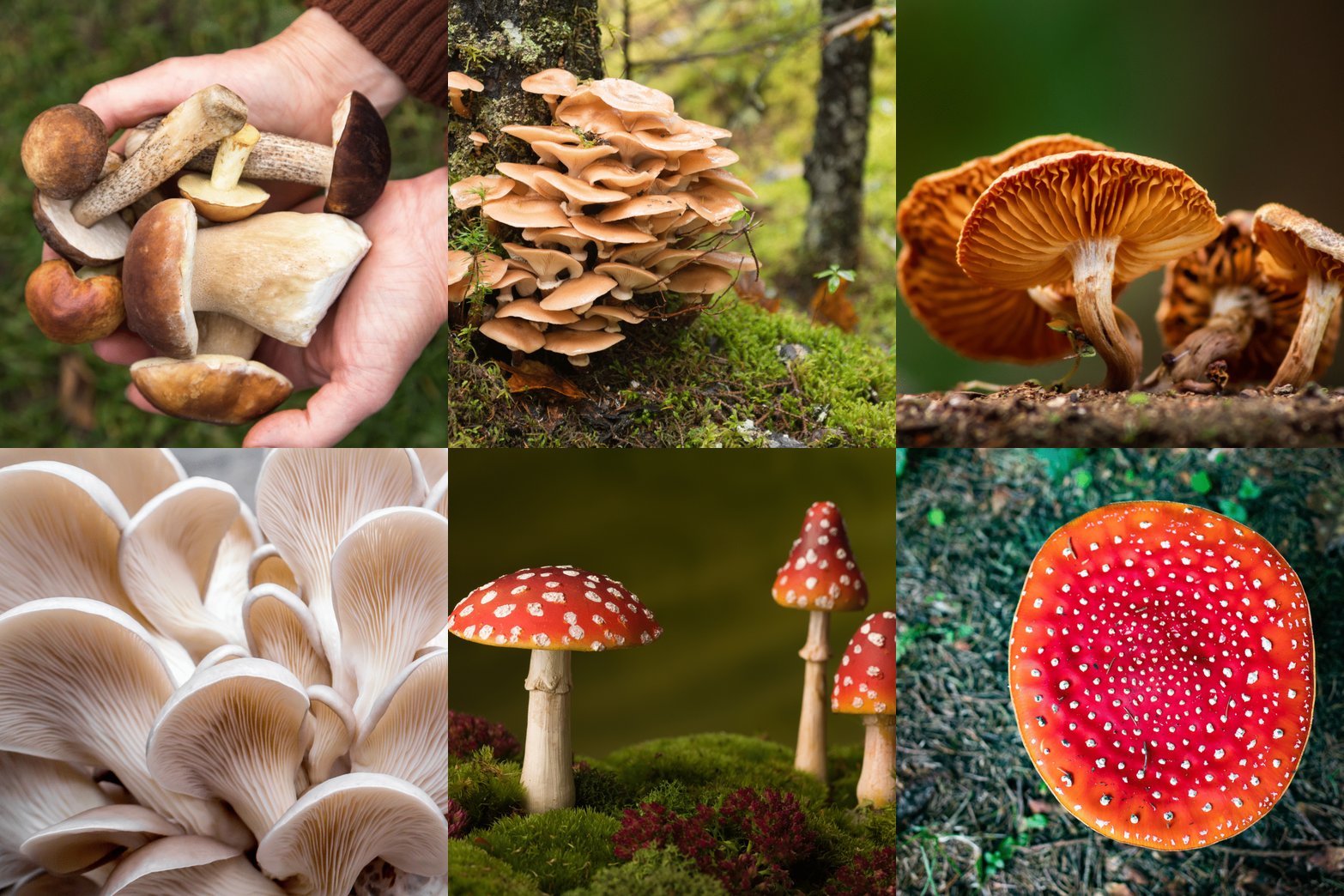 When you hear the word "mushroom," what comes to mind? Do you simply picture the small fungi you pass by during a hike, barely noticing them as you walk through the woods. Or do you think of the rich, savory flavors they bring to your favorite dishes? Whatever your association, September - the National Mushroom Month - is the perfect time to discover just how remarkable mushrooms truly are.
Despite their simplicity, mushrooms are incredibly versatile. They add a rich umami flavor to dishes, stretch your grocery budget by enhancing meals and offer solutions to some of today's biggest challenges. In a world where sustainability and health are increasingly important, mushrooms stand out as a natural answer. Mushrooms have a unique ability to clean up environmental pollutants, including the ability to absorb radiation from contaminated soil.
They are also vigorous of nutrients, notably rich in Vitamin D, essential for calcium absorption and bone health. Beyond their nutritional value, mushrooms possess a variety of medicinal properties. Some species are known for their vibrant, natural dyes, while others have been recognized for their potential anti-cancer benefits.
As we celebrate National Mushroom Month, we encourage you to explore and share the wonders of these humble fungi with your network. Whether you're discussing their #culinairuses, #healthbenefits, or #environmentalimpact, there's no shortage of fascinating facts to spread!
Dutch Trading Office (DTO BV) is part of the CNC Group as of 16 August 2024.
CNC Holding BV and DTO BV have joined forces to boost their international growth ambitions in the substrate market for edible mushrooms.
On 16 August 2024 CNC Group announced that it acquired the shares of DTO BV. The companies are aiming for a strong partnership that will stimulate their growth ambitions in the export of products and services related to the cultivation of edible mushrooms.
The acquisition of DTO marks a unique milestone in the growth strategy of CNC Group and reflects its aim for optimisation and flexibility in substrate production and the continued development of the group’s export position in the global market. DTO supplies substrate to mushrooms farms around the world. Thanks to a patented loading concept, the company is able to maintain an optimal quality of mushroom substrate during transport. The joint expertise of CNC Group and DTO will result in a strong synergy and a broader range of high-quality products and services for all clients.
“This acquisition underlines the strategic focus of CNC Group to strengthen its global export activities and realise long-term growth. We want to continue to operate with a focus on the globally increasing consumption of edible mushrooms. We are very pleased with the added expertise provided by the DTO team and are happy to welcome them to CNC group,” says Eric van Asselt, CEO of CNC Group.
“DTO has clients in 40 countries and employs 15 people. As we want to continue our growth and boost our innovative strength, we are pleased to have the unique opportunity to join forces with CNC in our company’s 30th year,” says Robert Klinkenberg, Managing Director of DTO BV.
Clients are assured of the continued high quality of DTO’s products. The merger of activities will give clients worldwide access both to the superior substrate they are familiar with and to a broader portfolio of products and technical support that will help them optimise their own results.
DTO will continue its current operations and development under the familiar leadership of its Managing Director Robert Klinkenberg.
About CNC (Circular Natural Compost):
CNC Group is a leading group of companies focused on high-quality substrate, mushroom and mycelium solutions for the European and global market. Its daily activities are aimed to contribute to healthy food for millions of consumers worldwide and to boost the circular economy at the same time. The company has over 300 employees in seven cultivation and production locations, and its success is based on over 70 years of superior expertise and innovative strength. The internationally operating group consists of the following companies: CNC Grondstoffen BV, CNC Exotic Mushrooms BV, AMCO, Verbruggen Paddestoelen BV, Verbruggen Substraat BV and Veme Specials BV in the Netherlands and HolPol Compost Sp. z o.o in Poland.
 About DTO BV:
The origins of DTO lie in the town of Deurne, where the company started some 30 years ago. The company’s mission was always to transport mushroom compost worldwide without compromising quality during transport. Throughout the years, DTO developed an innovative method to realise this goal. As a result, it soon attracted clients worldwide, from Japan to Dubai and from Malta to Guatemala. Despite its growth, DTO continued to provide its superior quality, both in its products and in its services, making it a reliable and high-valued partner to many growers around the world.
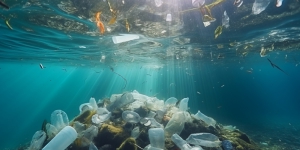
Mycelium, the root-like structure of mushrooms, is showing promising potential in combating ocean plastic pollution. Innovators are using this eco-friendly material to create biodegradable buoys, offering a sustainable alternative to traditional plastic options. Here’s how this mushroom-powered solution is making waves:
Key Takeaways:
- The Problem: Conventional plastic buoys contribute to ocean plastic waste, harming marine life
- The Solution: Buoys made from mycelium provide a natural, biodegradable alternative
- Environmental Impact: Mycelium buoys can decompose naturally, leaving no toxic residues, reducing ocean waste
- Scalability: This innovation could pave the way for wider use of mycelium in marine industries, promoting a circular economy
This is a great example of how nature-inspired technologies can help tackle pressing environmental challenges!
Please read the full article here.
Source: Modern Farmer
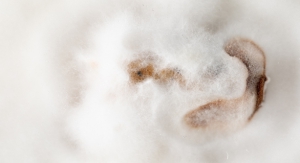
A groundbreaking project in Namibia is turning mushrooms and invasive plants into eco-friendly homes. The MycoHab initiative uses mycelium, the root structure of fungi, to create sustainable building materials. The process involves growing edible mushrooms on substrates made from the invasive encroacher bush. After the mushrooms are harvested, the remaining material is compacted into strong, lightweight, and biodegradable bricks. These “mycoblocks” offer a sustainable alternative to concrete while also helping tackle Namibia’s housing crisis.
In early 2024, MycoHab unveiled its first house made entirely from these bricks. The project, supported by institutions like MIT and local partners, aims to provide affordable, carbon-negative homes that require less energy and labor to build. Additionally, the initiative offers social benefits, such as job creation in mushroom farming and material production. This approach is being hailed as a model for sustainable construction that can be scaled up globally.
Mycelium-based materials not only reduce carbon emissions but also offer excellent insulation, fire resistance, and design flexibility. While still in its early stages, this innovative method shows promise as a key solution for eco-friendly housing in Namibia and beyond.
Source: The Guardian via https://www.theguardian.com/environment/article/2024/jul/18/namibia-homes-built-from-mushrooms-mycohab-mycelium

Mushroom Council Names Amy Wood Its New President
LEE’S SUMMIT, MISSOURI – (AUG 6, 2024) – The Mushroom Council has named produce marketing strategist Amy Wood its new President & CEO.
Wood assumed the role this month after the Mushroom Council conducted an exhaustive national search following the planned transition of prior President Bart Minor, who had led the Council for 26 years.
Wood will be responsible for developing and overseeing strategic marketing, communication, research and promotion programs designed to bring profitable returns to U.S. mushroom farms and importers by increasing awareness and consumption of fresh mushrooms.
Wood brings more than two decades of food marketing and communications expertise to this critical position, with a heavy emphasis on produce marketing. She most recently was Senior Vice President, Food Strategy at integrated food and agriculture marketing communications agency Curious Plot, which has represented the Mushroom Council for the past nine years.
While at the agency, Wood led planning and strategy for such Mushroom Council initiatives as the Blended Burger Project, Feed Your Immune System, Mushroom Monday and more. She represented additional clients including California Avocado Commission, National Watermelon Promotion Board and Sun World International.
“Amy is a true food marketing strategist and leader who not only is ready to go on day one because of her near decade of immersion in the mushroom industry, but also because of her vast background leading and counseling marketing teams for dozens of commodity boards and organizations,” said Michael Stephan, Chairman of the Mushroom Council.
“Like so many other commodity boards and associations, the mushroom industry finds itself at the critical intersection of maintaining its loyal customer base while expanding and attracting new shoppers,” said Wood. “I look forward to the challenge ahead.”
About the Mushroom Council
The Mushroom Council is composed of fresh market producers and importers who average more than 500,000 pounds of mushrooms produced or imported annually. The mushroom program is authorized by the Mushroom Promotion, Research and Consumer Information Act of 1990 and is administered by the Mushroom Council under the supervision of the Agricultural Marketing Service. Research and promotion programs help to expand, maintain and develop markets for individual agricultural commodities in the United States and abroad. These industry self-help programs are requested and funded by the industry groups that they serve. For more information, visit mushroomcouncil.com.
Picking and calibration
Generally picking is considered by many as a low education job. But on the other hand, we rely on our picking force to deliver a good quality mushroom, meeting the customer demands. No bruised mushrooms, no nail or knife damage, right stem length, straight cut stem, no weak mushrooms in the punnet and for all, the right size. And that is where many things go wrong. It is fairly easy to learn the pickers the right way of picking. Twist and do not pull. Do not take to many mushrooms in one hand so they do not get damaged and put them caps up into the punnet. But getting the calibration right is a constant struggle. Pickers tend to have the habit to pick too small and this will cost you money. They simply pick the mushrooms that were meant to be picked tomorrow. An extra thing to that is that pickers lose the bonus while working really hard.
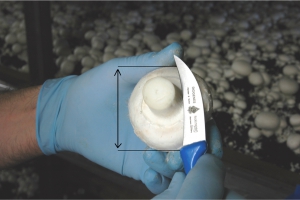
For the right calibration there are many tools like fruit grading rings, grading cards and other different tools. But the easiest tool they have in their hands: the knife.
The knife most used in mushroom growing is the curved knife and the length of the blade is exactly 60 mm. The calibration most wanted on many farms is 55 to 60 mm. Generally, this size is picked first before thinning out. And this is just the size of mushroom that is as wide as the length of their knife. They just have to keep the knife just above the mushrooms to judge the size. This way the mushrooms can be calibrated before they are picked and they will not be damaged by any other form of grading tools. The rings only let mushrooms through which are small enough. The bigger mushrooms get stuck and will be damaged. But the mushrooms that go through easily are too small and that is the calibration the picker will harvest. By using the knife not only there will be no damage but it is also faster.
If a smaller calibration is harvested like a 40 mm mushroom, a line can be made on the blade with a marking pen. Especially new pickers will be very fast in learning this trick. By banning the calibration rings also, the hygiene on the farm is served. Because these rings are hard to clean and experience learns that they are always dirty and are taken from room to room.
Give it a try and your harvesting staff will be happy.
We are excited to welcome the Christiaens Group as a new advertiser on our platform! Christiaens Group: Leader in turnkey solutions for mushroom farms and composting
The Christiaens Group, based in Horst, The Netherlands, is renowned for providing comprehensive, in-house engineered solutions for mushroom farms and composting yards worldwide.
With expertise spanning engineering, construction, technical installations, control systems, and machinery, the company ensures quality and efficiency in every project. Established in 1971, Christiaens Group has a rich history of innovation, continuously developing new systems that enhance material use, energy efficiency, and labor savings. They cater to both large turnkey projects and smaller specialized jobs, offering seamless integration and expert solutions for the mushroom and waste industries.
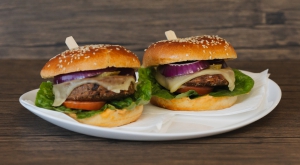
A PLANT-BASED firm’s factory has expanded merely months after opening, amid “sensational” demand from consumers.
Myco has added another 3,000 sqft to its pioneering production site in North Yorkshire, which will allow for a 600 per cent increase in production of the firm’s Hooba range of burgers and sausages.
The extension means Myco can vertically farm far more oyster mushrooms, which are converted into Hooba under that same roof.
Having recently brought the range to market, the company said it has proven so popular it had to expand to meet growing demand.
“Sales of our Hooba range have exceeded even our highest hopes, and the feedback we’ve had from customers has been superb,” said Myco CEO, David Wood.
“We had always planned on scaling up production over the next few years, but to be able to expand as quickly as this is incredibly exciting – and it is a testament to the quality of our product.”
The company’s Leeming Bar HQ site is one of the most unique food production sites in Britain, with every stage of the process carried out under one roof.
It has led to the company’s quarter pounder being crowned ‘Britain’s greenest burger’.
And Myco’s growth isn’t just limited to the number of mushrooms it can produce – with the team swelling thanks to two new vital appointments.
Business development consultant Will Marshall and Catherine Priestly, food service business development consultant, have joined the team.
With 18 years in the food industry, Catherine has worked for several notable names including Fable, Meatless Farm and Genius, while Will’s sales and marketing background has seen him commercial director level positions for the likes of Xerox.
And there are further hires on the horizon, with the company expected to fill several other key roles by the end of summer – including a mushroom farmer.
With hopes to employ around 70 staff in the coming year, co-founder John Shepherd said the future for Myco looks “brighter by the day”.
“The first half of 2024 has exceeded all of our expectations, and we are thrilled with how well our Hooba range has been received,” he added.
“We are over-the-moon to have attracted both Catherine and Will to the business, and we believe they will both play enormous roles in our growth going forward.”







