 Mushroom Matter
sharing mushroom news with care
Mushroom Matter
sharing mushroom news with care
Menubar











Mushroom Matter
Welcome on our platform. Why MUSHROOM MATTER? Because mushrooms play an important role in our lives as well in business. Our goal is to bring the world the very latest mushroom news with the upmost care to support the positioning of our beloved Mushroom.
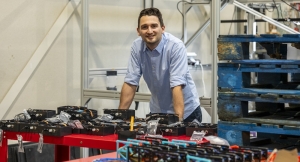
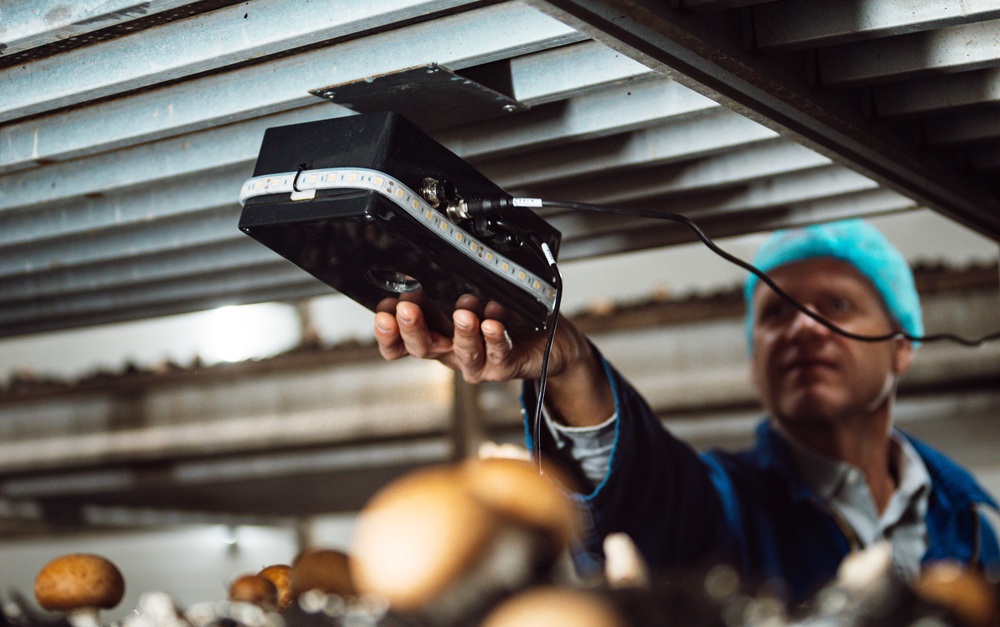
Belgian tech company Heliovision has developed Funghii, an AI-driven solution tailored to the mushroom industry. Combining smart software with hardware such as cameras and sensors, the system continuously monitors crop growth. It captures key data from growing rooms: taking hourly images of beds, tracking temperature and humidity levels, and more. This information is then processed in real time and converted into clear overviews, providing growers with valuable insights into the cultivation process.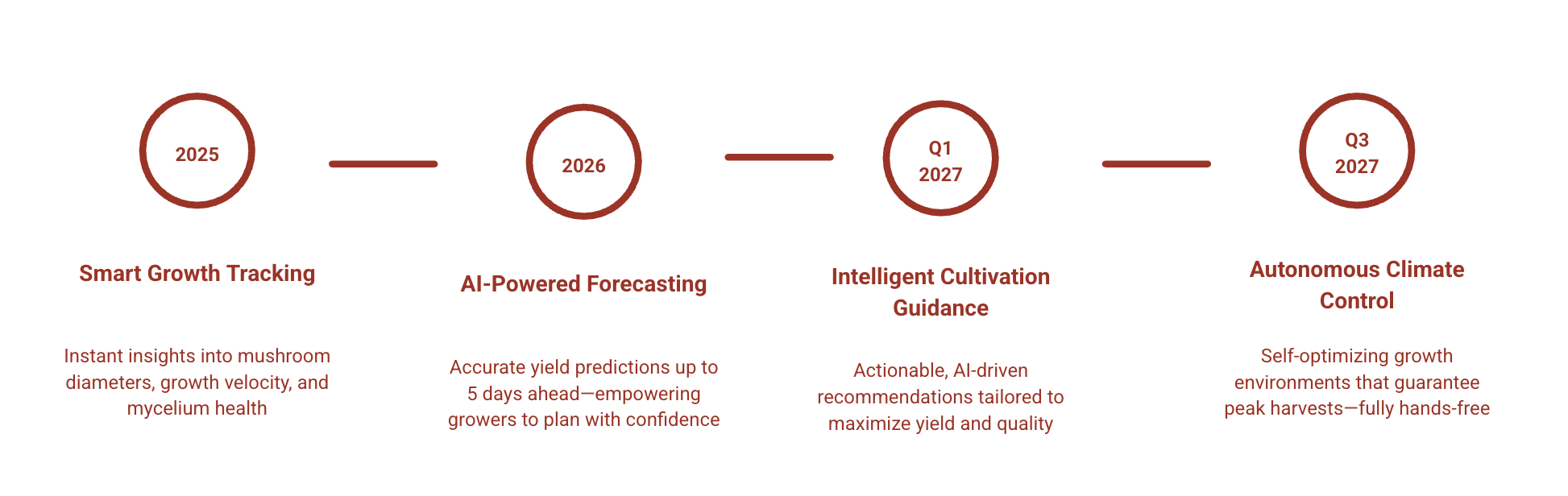
CEO Emile Derache, a mechanical engineer specialized in robotics, highlights the measurable impact: “Farms using Funghii achieve 10% higher yields – without expanding their growing rooms – and harvest 5% more efficiently. After a year of using our product, many clients see returns that exceed the subscription cost. This is made possible through improved crop monitoring that helps them make quicker, better-informed decisions.”
Smart Monitoring through Computer Vision
But how exactly does Funghii achieve such efficiency gains? Via a secure web application, growers can always follow up on their cells. Since they can access the app through any browser with a personal login, they can even oversee operations remotely and support on-site staff from a distance.
The dashboard presents a clear overview of all collected data – captured and tracked in a way that surpasses the human eye and memory. Derache explains: “While visual growth tracking is extremely difficult for people, our computer vision software excels at detecting subtle changes over time by comparing image series of mushroom beds, especially in the pinning phase. The detected patterns are turned into intuitive visuals for users. For instance, pins and mushrooms are highlighted in either green or red, indicating whether they are still growing. These insights support informed actions, like adjusting certain settings in the cells, ventilating the room, or starting the harvest.” And when warning signs appear – such as poor room conditions or under- or overpinning – the app sends out alerts to prompt fast intervention. “We even offer WhatsApp integration,” Derache adds, “so notifications can also be sent as instant messages.”
Objective Analyses of Farm Strategies
Growers are constantly adjusting different settings in their cells, but it can be hard to see the real effect of those changes on the crops. Funghii tackles this challenge by offering precise, quantifiable data that links specific actions to outcomes. “Our product gives mushroom growers objective insights into what worked well and what didn’t”, Derache notes. “They can, for example, see how temperature adjustments influenced growth, or which initial pin counts led to the highest yields.”
These insights prove valuable both in the long and short term. “Being able to review decisions made months ago clearly supports human memory. But don’t underestimate the value of short-term overviews, either: many growers find it incredibly helpful to scroll through their actions and results from just the past 24 hours!”
Accurate Yield Prediction
Another standout feature of Funghii is its ability to predict yields per flush. Derache explains: “By analyzing bed images taken during the mycelium and pinning stages, we predict how many kilograms per square meter will be harvested at the end of each flush. And we deliver these forecasts 24 hours in advance! Having such precise estimates a full day ahead is a game changer, especially considering mushrooms’ short shelf life. This feature helps farms plan sales more effectively and manage their import and export logistics in time.”
Looking ahead, Funghii aims to extend its forecasting window to five days before harvest, giving farms even more time to prepare. In addition, yield predictions will be expanded to include expected mushroom diameters – an even more complex metric to estimate than total weight. Note that as a subscription-based platform, all updates and new features will be made available to both new and existing users.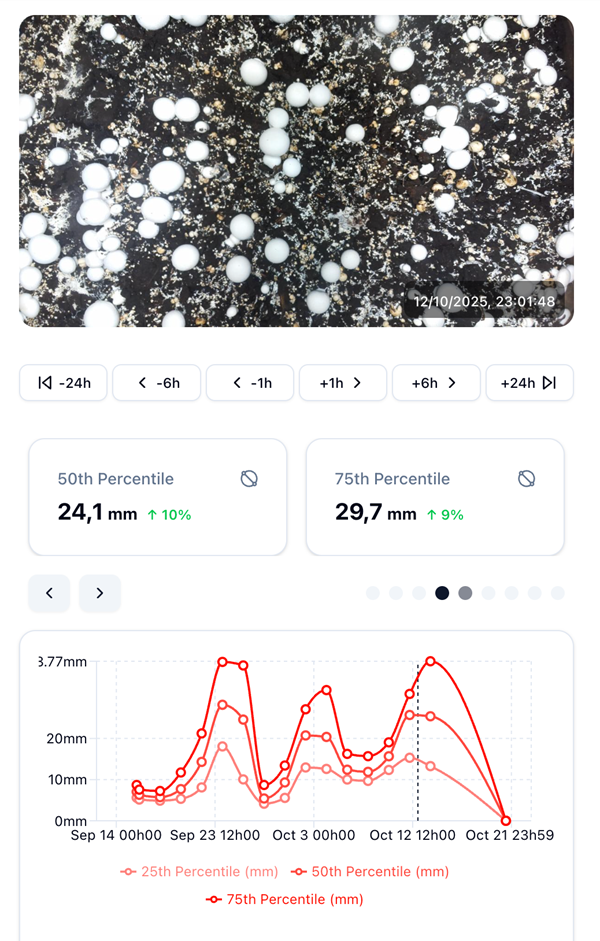
From Actionable Advice to Full Automation
Finally, Funghii is set to evolve from a monitoring tool into an advisory system. “Right now, the platform provides all the information, but growers have to interpret it and act on it themselves. In future versions, the tool will offer specific, data-driven recommendations, such as adjusting temperature and humidity levels when growth stalls. Initially, growers will still make the final call based on these suggestions. But we’re already looking further ahead: full automation, where the system independently executes preferred actions, is definitely on the horizon.”
Technology as the Way Forward
Is AI- and data-driven support the future of mushroom farming? “I believe so”, says Derache. “Just a year in, we already have a hundred cameras operating on nine farms across the Netherlands, Belgium, Germany, and the United Kingdom – and that number keeps growing. As in any sector: when technology becomes the industry standard, companies will need to adapt or risk falling behind.” But it’s not just about keeping up with the competition, he emphasizes. Above all, it’s about moving forward: “Automation in mushroom farming is no passing trend. Funghii demonstrably boosts yields and profitability. This innovation won’t only benefit individual farms; it has the potential to transform the entire industry!”
Get in Touch
Want to learn more about Funghii? Visit the website or contact the Heliovision team for more information, or to schedule an intake meeting.
- www.funghii.com
- This email address is being protected from spambots. You need JavaScript enabled to view it.

The 11th International Conference on Mushroom Biology and Mushroom Products will take place in Accra, Ghana, from 13 to 17 October 2026, bringing together researchers, growers, industry professionals and other specialists from across the mushroom sector.
The organisers have extended the abstract submission deadline to 4 September, giving researchers additional time to contribute to the scientific programme. The conference itself covers nine research tracks spanning mushroom biology, production and product development.
What makes this edition particularly interesting is the strong practical component. Ahead of the main conference, participants can join hands-on training sessions covering topics such as spawn production, strain maintenance, quality control, alternative substrates and cultivation systems. This gives the event a broader relevance than a purely academic mycology meeting and creates a direct link between scientific knowledge and commercial mushroom production.
The conference will be accessible both in person and online, widening participation for professionals who are unable to travel to Ghana.
With the event taking place in Accra, ICMBMP11 also brings additional attention to Africa’s developing commercial mushroom sector. The combination of international research, practical technical training and regional industry development could make the conference an important meeting point for professionals working in both established and emerging mushroom markets.
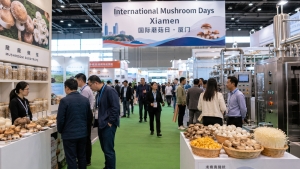
The International Mushroom Days and Edible Fungi Full Industry Chain Innovation Expo will take place in Xiamen, China, bringing together companies and professionals from across the country’s extensive edible fungi industry.
Covering around 17,000 m² of exhibition space, the event is designed to represent the full mushroom value chain. Exhibitors are expected to include suppliers of equipment, spawn, cultivation technology and other products and services used throughout mushroom production and processing.
China plays a dominant role in global mushroom production, yet many of the technologies, production systems and suppliers active in the Chinese market remain relatively unfamiliar to growers and industry professionals in Europe and North America. Events such as International Mushroom Days therefore provide an interesting window into developments taking place within the world’s largest mushroom-producing market.
Beyond its scale, the exhibition offers an opportunity to see how different parts of the Chinese mushroom sector are evolving, from cultivation and automation to equipment and supply-chain solutions.
For the international industry, that makes Xiamen particularly interesting. Technologies and production methods gaining ground in China today could increasingly influence mushroom cultivation elsewhere in the world as suppliers expand internationally and growers continue to search for more efficient production systems.
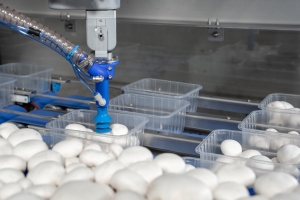
Labour availability remains one of the biggest challenges facing mushroom growers worldwide. While much of the industry’s attention has traditionally focused on automating harvesting, GTL Europe is now taking another important step in the process with its newly developed Packing Robot.
The system is designed to automate the transition from harvested mushroom to finished, ready-to-sell product. It forms the final link in GTL’s broader Swift Harvest concept, but can also be used independently by growers already working with GTL’s blue conveyor belt system.
From mushroom to punnet
Traditionally, packing still involves several manual steps. Mushrooms need to be assessed, sorted, weighed, trimmed where necessary and placed into the correct punnet or crate. GTL’s Packing Robot is designed to take over much of this work automatically.
After harvesting, mushrooms arrive at the robot without needing to be precisely positioned. Two vision systems guide the process. A first vision box integrated into the robotic arm identifies which mushroom should be picked next. While the mushroom moves towards the packaging, it passes a second vision system that assesses its quality, size and estimated weight, and determines whether the stem needs trimming.
Using this information, the system decides which punnet or crate the mushroom belongs in. If trimming is necessary, this is carried out immediately before the mushroom is placed into its packaging.
Vision technology makes the difference
An interesting aspect of the system is that mushrooms do not first have to be neatly arranged before the robot can handle them. Instead, vision technology continuously analyses the incoming product and determines the next action.
This may sound like a relatively small detail, but it is important for practical automation. Mushrooms are naturally variable products: they differ in size, shape and orientation. Being able to recognise and handle products while they are randomly positioned can simplify the flow between harvesting and packing considerably.
At the same time, automated inspection and handling should contribute to a more consistent final product and reduce unnecessary handling and product damage.
Part of a bigger rethink of harvesting
The Packing Robot becomes particularly interesting when viewed within GTL’s Swift Harvest concept.
Rather than treating harvesting and packing as two separate operations, Swift Harvest connects harvesting, product handling, cooling and automated packing in one integrated process. Mushrooms are harvested from the growing bed, transferred while maintaining their position, and can then move through cooling before robots select, trim and pack them.
Separating the moment of harvesting from the moment of packing could also give growers more flexibility in organising labour and production. Packing robots can continue processing product independently of exactly when the mushrooms were harvested.
First robot already in operation
GTL reports that its first Packing Robot has been operating successfully at a customer site since July 1, 2026.
And development is already moving further. The current machine works with GTL’s blue conveyor belt system, but the company is working towards a version that can pick mushrooms directly from the growing film and place them straight into the appropriate packaging without the intermediate conveyor belts.
For growers, that direction is perhaps the most interesting part of the development. Automation is increasingly moving beyond replacing one individual manual task. The focus is shifting towards redesigning the complete flow from growing room to packed product.
With labour pressure unlikely to disappear, technologies that combine product recognition, quality assessment and packing in one automated process may become an increasingly important part of the modern mushroom farm.
Read more about GTL and automating harvesting here.
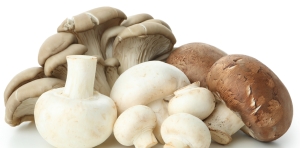
The U.S. Department of Commerce has announced preliminary anti-dumping duties on fresh Canadian mushrooms, marking another development in the ongoing trade dispute between the United States and Canada.
The proposed tariff rates are considerably lower than those requested by the Fresh Mushrooms Fair Trade Coalition, but they still introduce new uncertainty for growers and exporters operating across North America.
According to Mushrooms Canada, the decision is preliminary and the allegations of unfair pricing remain unfounded. The organization says it will continue working through the investigation process while advocating for fair trade between both countries.
With labour shortages, rising production costs and changing consumer demand already placing pressure on the industry, the outcome of the investigation could have wider implications for mushroom producers on both sides of the border.
Please read the full article.
Source: Yahoo finance
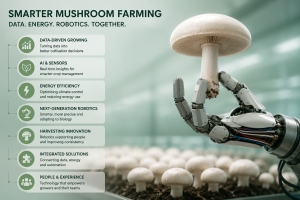
Technology is becoming smarter and more connected
In our previous edition of Mushroom Matter Industry Insights, we explored how hybrid harvesting, semi-automation and technologies that work with biology are helping growers build more resilient production systems.
The next step in this evolution is not necessarily more automation, but smarter integration.
Across the mushroom industry, data, energy management and robotics are increasingly working together to help growers make better decisions, improve efficiency and optimise production. Rather than operating as separate innovations, these technologies are becoming part of one connected production strategy.
Below, we explore three developments that are shaping the next phase of mushroom cultivation.
Data-driven mushroom farming: turning information into better decisions
Modern mushroom farms generate more data than ever before.
Climate computers, sensors, cameras and monitoring systems continuously collect information about temperature, humidity, CO₂ levels, airflow and crop development. But collecting data is only the beginning.
The real value lies in translating that information into practical decisions.
Increasingly, growers are using data to optimise climate settings, predict crop development, improve harvest planning and identify trends that would otherwise remain unnoticed.
Artificial intelligence is also beginning to play a role, not by replacing experienced growers, but by supporting them. AI can recognise patterns across multiple growing cycles, helping growers respond more quickly and consistently to changing conditions.
The combination of digital insights and human expertise is becoming one of the strongest drivers of production efficiency.
Energy efficiency is becoming part of the growing strategy
Energy remains one of the largest operating costs in mushroom production.
Climate control, ventilation, cooling and heating are all essential for producing a consistent crop, but they also account for a significant share of production expenses.
Rather than treating energy efficiency as a sustainability project alone, many growers now view it as an integral part of crop management.
Optimising climate recipes, recovering heat, improving ventilation strategies and reducing unnecessary energy consumption all contribute to lower operating costs while maintaining crop quality.
The objective is no longer simply to use less energy, but to use energy more intelligently.
The next generation of harvesting robotics
Robotics continues to evolve rapidly, but expectations within the industry are becoming more realistic.
Instead of aiming for fully autonomous harvesting under every condition, today's developments focus on improving precision, flexibility and collaboration with human pickers.
Advances in computer vision, artificial intelligence and gripping technology are enabling harvesting robots to better recognise mushroom maturity, size and position. At the same time, robotics is expanding beyond harvesting into grading, packing and logistics.
These developments allow growers to automate repetitive tasks while maintaining the flexibility needed to deal with biological variability.
Rather than replacing people, the latest generation of robotics is designed to support the entire harvesting process.
Connecting the dots
Although data, energy management and robotics are often discussed separately, their greatest value lies in how they reinforce one another.
Data helps growers understand what is happening inside the growing room.
Energy management ensures the crop develops under the most efficient conditions.
Robotics helps translate those growing conditions into a more consistent and efficient harvesting process.
Together, these developments are creating mushroom farms that are not only more productive, but also more resilient and better prepared for future challenges.
The bigger picture
From our conversations with growers, suppliers and technology companies across the global mushroom industry, one trend is becoming increasingly clear.
Innovation is moving beyond individual technologies. The strongest solutions are those that combine biology, practical experience and digital tools into one integrated approach.
Rather than asking "Which technology should we invest in?", growers are increasingly asking "How do these technologies work together to improve our farm?"
At Mushroom Matter, we believe this shift towards connected thinking will define the next generation of mushroom production.
Looking ahead
In the next edition of Mushroom Matter Industry Insights, we'll once again take a step back from the daily headlines to explore the developments shaping the future of the global mushroom industry.
We'll continue to connect the dots between innovation, cultivation and market developments, bringing together the stories and trends that matter most to growers, suppliers and technology partners.
Published by Mushroom Matter: connecting the global mushroom community through insight, innovation and inspiration.
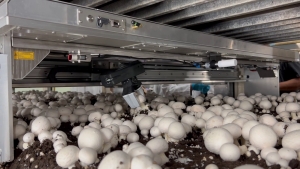
Just a week before our conversation, Stefan Glibetic attended the North American Mushroom Conference. While automation, robotics and data analytics were among the topics discussed, the dominant themes were familiar ones: labour shortages, declining mushroom consumption, pressure on margins, and the ongoing search for sustainable solutions that can help secure the future of the industry. For Stefan, these conversations felt very familiar. More than a decade ago, those same challenges were the reason Mycionics was founded.
A problem worth solving
Back in 2013, mushroom grower Murray Good approached the University of Western Ontario with what Stefan describes as a plea rather than a question. Labour was becoming increasingly difficult to find and retain, margins were shrinking, farms were struggling, and the long-term sustainability of the industry was at risk.
At the time, Stefan was studying robotics engineering. The challenge immediately caught his attention.
Many people viewed mushroom harvesting as too difficult to automate. Mushrooms are delicate, they grow in constantly changing environments, and any solution would need to meet strict food safety requirements while remaining affordable and practical for growers. Traditional automation simply did not fit the realities of mushroom farming. Rather than accepting that conclusion, Stefan wanted to understand why.
"The infrastructure already looked partially automated," he explained. "There were lifts, rails, conveyors and climate-controlled rooms. The question was whether modern robotics could take the next step."
Together with fellow researchers, university professors and Murray Good, he started exploring what would eventually become Mycionics.
From university project to commercial venture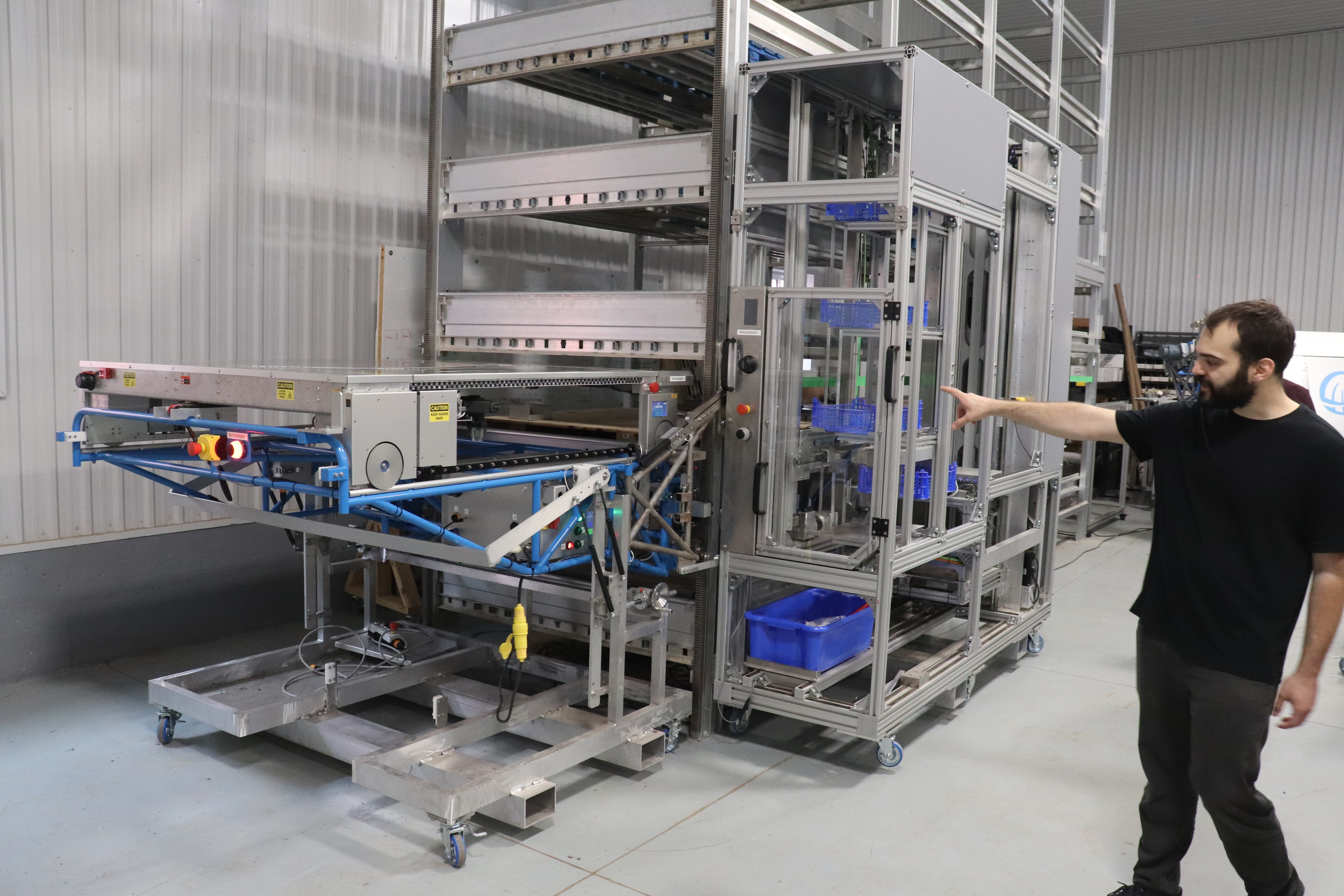
The first years were spent experimenting, testing and learning.
During his master's project, Stefan and another student developed an early robotic harvesting prototype capable of scanning mushroom beds, identifying mushrooms and picking them. It was slow and primitive by today's standards, but it demonstrated something important: robotic harvesting was possible.
Government-funded research grants helped finance the early work, while the mushroom farm supplied crates of mushrooms for testing different grippers, vision systems and harvesting methods under real conditions.
By 2014, Mycionics was officially formed. As interest and momentum grew, additional investment from Doug Wagner allowed the company to move beyond academic research and begin building a commercial business.
The team relocated to Murray's farm, hired engineers and began industrializing the technology. What followed was more than a decade of continuous iteration.
Learning on the farm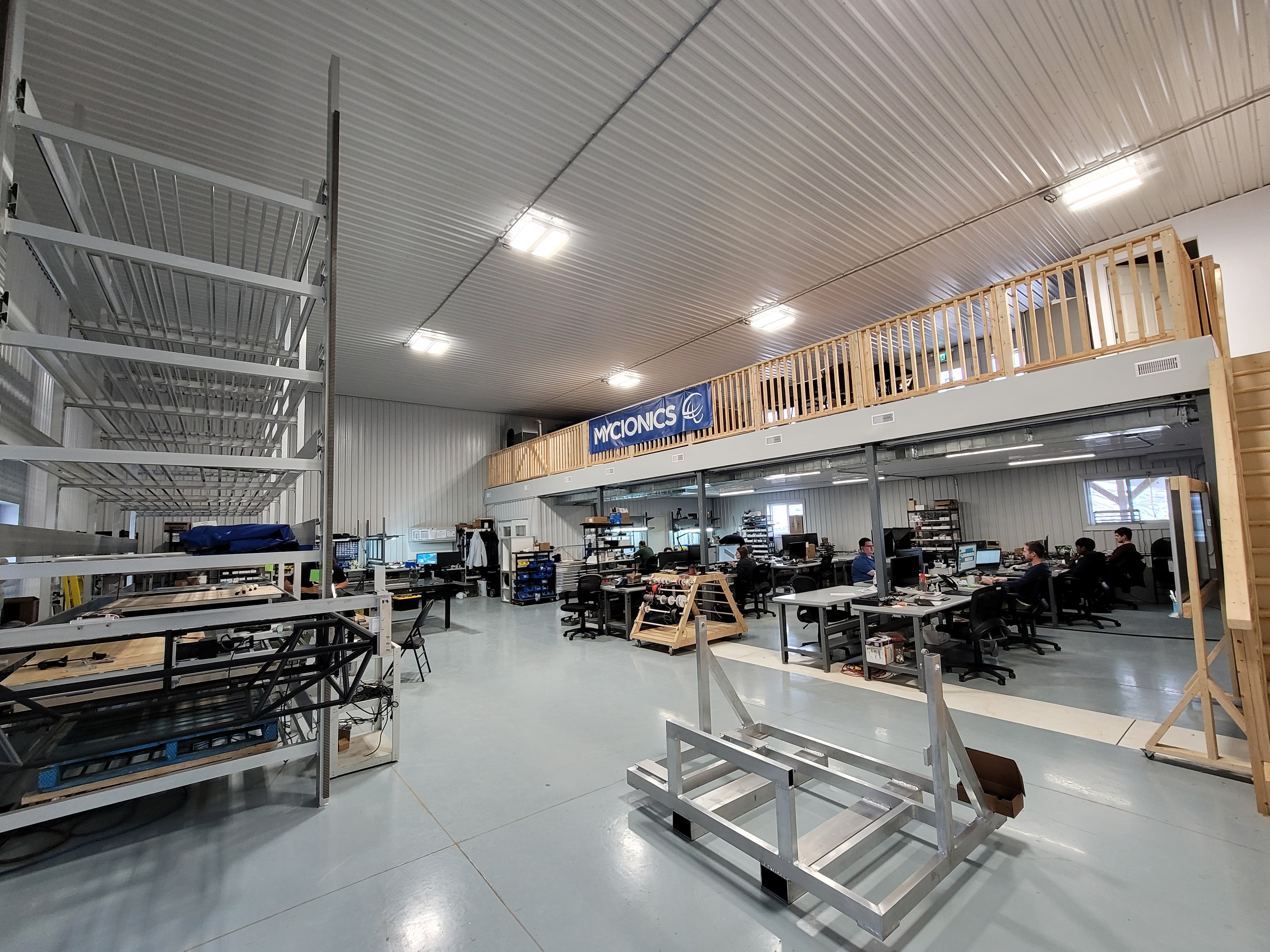
Being located directly on a mushroom farm became one of Mycionics' greatest advantages. Instead of developing technology in isolation, the team could test solutions in real-world conditions every day. New prototypes were built, deployed, tested, modified and tested again.
Humidity caused problems.
Infrastructure caused problems.
Reliability caused problems.
Every challenge became another lesson.
Over time, the company developed more than thirty generations of improvements across its harvesting, lifting and packing systems.
Perhaps no story captures those years better than the agreement Stefan made with the farm's head grower. If the robot failed to harvest the crop, the Mycionics team would finish the job themselves.
And it happened. Often.
Whenever the machines fell short, Stefan and his colleagues climbed onto the harvesting trolleys and picked mushrooms through the night. It was demanding work, but it taught them something invaluable. They learned firsthand what growers expect from technology, what reliability truly means, and how difficult it is to operate successfully in a commercial mushroom farm.
As Stefan puts it, a mushroom farm does not need impressive technology. It needs technology that works.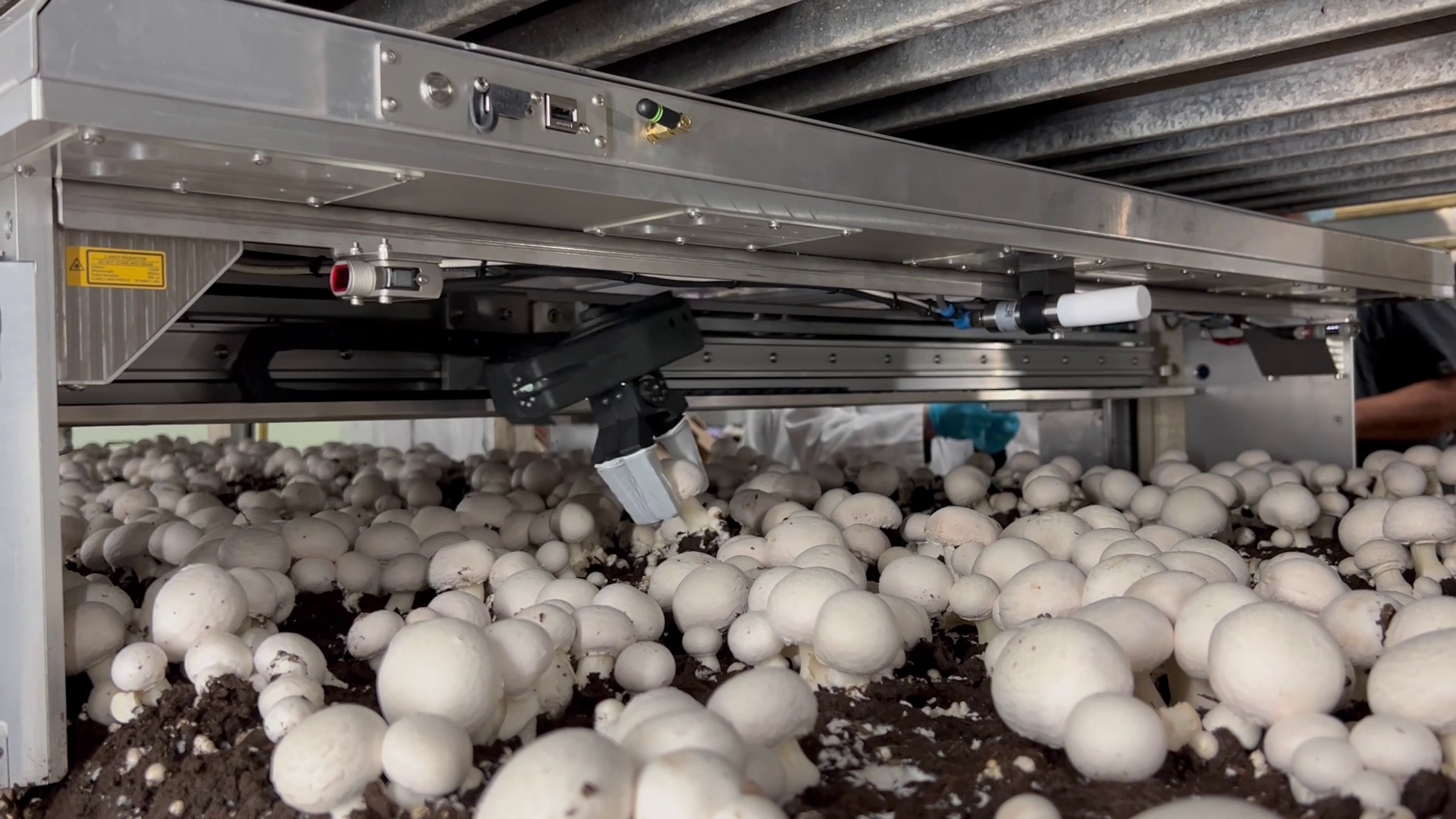
Proving it could be done
By 2022, Mycionics had achieved something many considered impossible. The company had developed a complete robotic harvesting system capable of picking, cutting, packing and stacking mushrooms within traditional Dutch aluminium shelving systems. Multiple robots worked together, sharing data and coordinating tasks throughout the growing rooms.
Technically, the challenge had been solved. The robots could harvest mushrooms around the clock, produce excellent quality, and successfully complete the full harvesting process.
Commercially, however, the breakthrough had not yet arrived.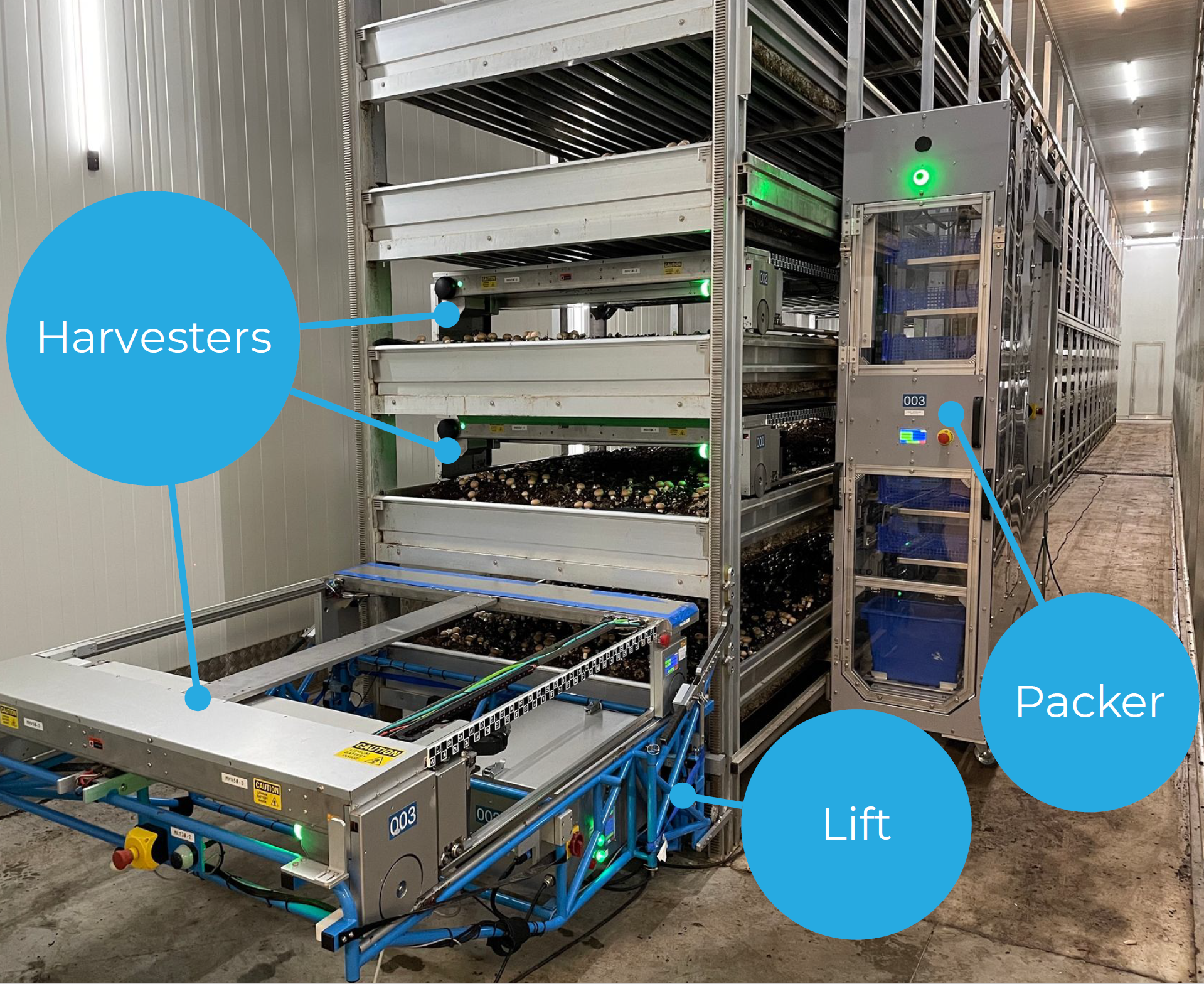
Despite the technological achievement, the systems were still not fast enough and not cost-effective enough to provide the breakthrough growers truly needed. 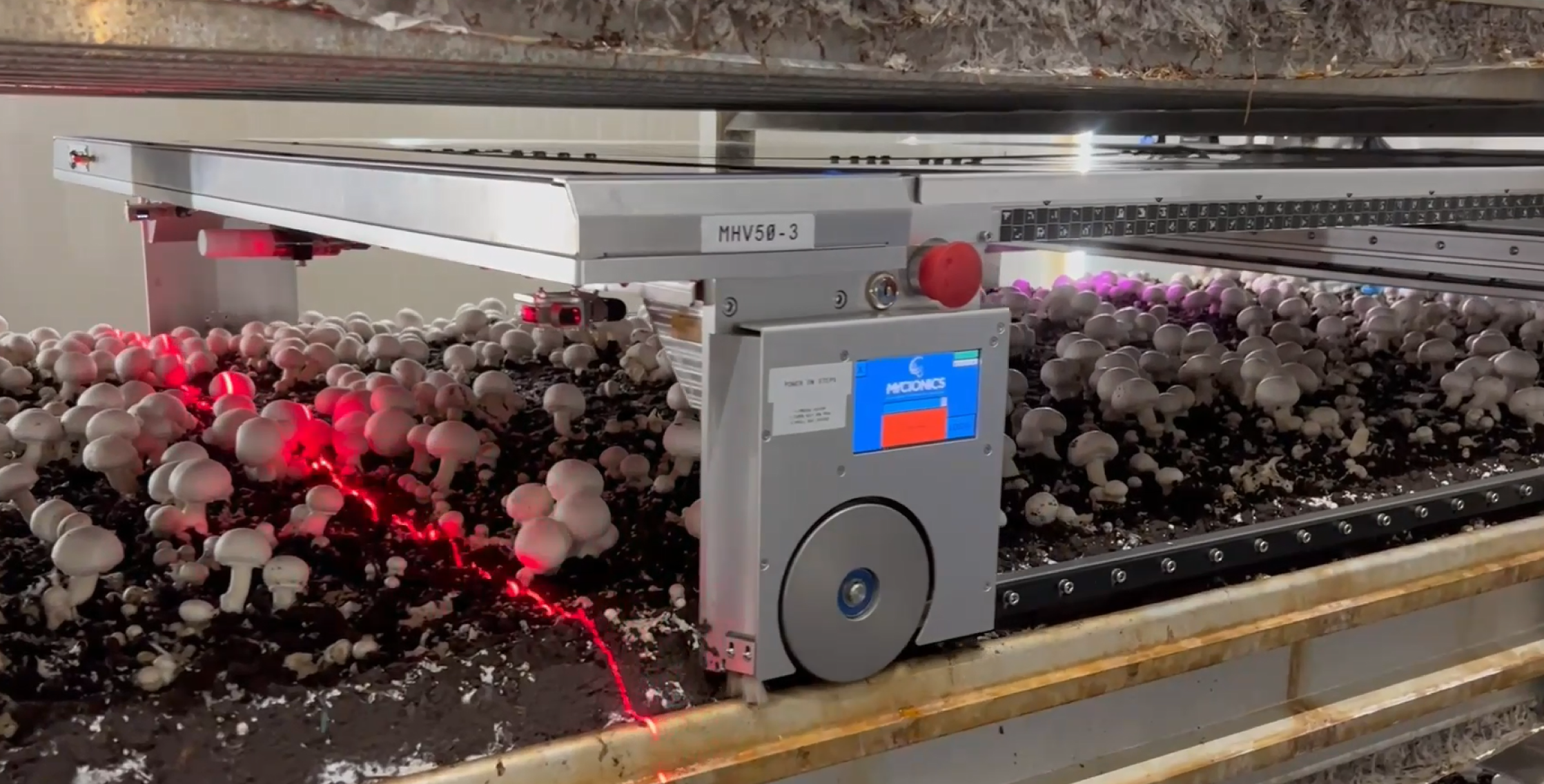
Many companies would have commercialised the system anyway. Mycionics chose a different path.
Starting over to move forward
In 2023, Mycionics chose to rethink its approach. Rather than pushing a solution to market simply because it worked, Stefan and his team stepped back and asked a different question:
What does the industry actually need? The answer was not full automation. The answer was smarter automation.
The team redesigned its technology around a hybrid model that combines the strengths of both people and machines. Robots focus on repetitive tasks such as harvesting, packing and handling. People focus on higher-value activities such as thinning, pruning, quality control and crop management. This approach dramatically improved the economics while maintaining flexibility for growers.
The company also modularized its entire technology platform, ensuring systems could be maintained by farm staff rather than requiring specialist technicians. In an industry where crops cannot wait, that distinction matters.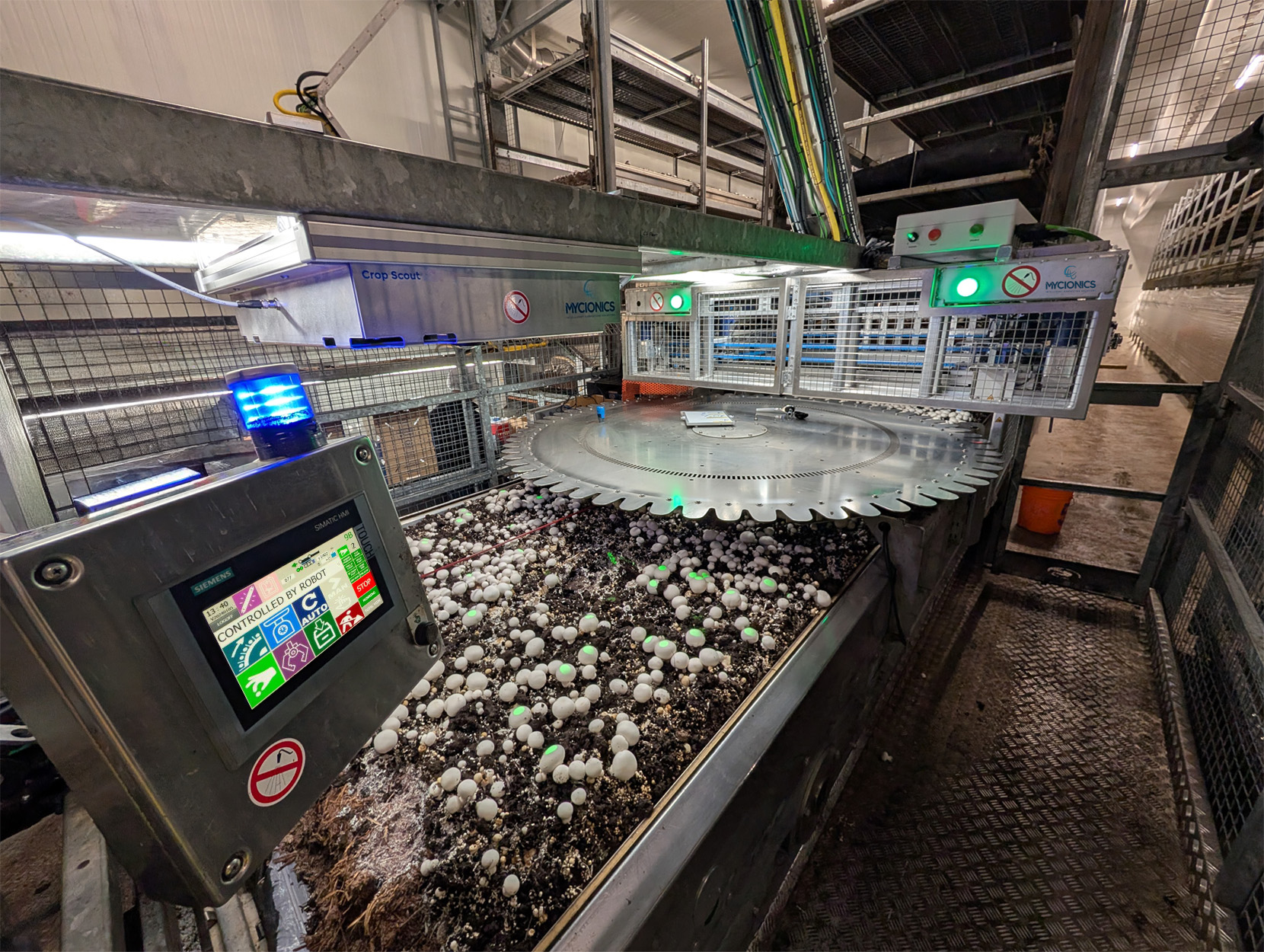
Today, Mycionics adapts its solutions to different farming infrastructures, including drawer systems and traditional Dutch shelving, each with different levels of automation depending on what makes the most practical and economic sense.
From robotics to crop intelligence
As the technology evolved, another opportunity emerged. Data.
The robots weren't just harvesting mushrooms anymore. They were collecting information.
Every mushroom scanned by a robot generates data. Every harvest creates new insights. Every growing cycle reveals patterns.
Mycionics realised that its vision systems could provide value long before a mushroom was ever picked.
This led to the development of Crop Scout and pointing systems that help growers track mushroom growth, optimize harvesting decisions and improve yields. The results have been significant.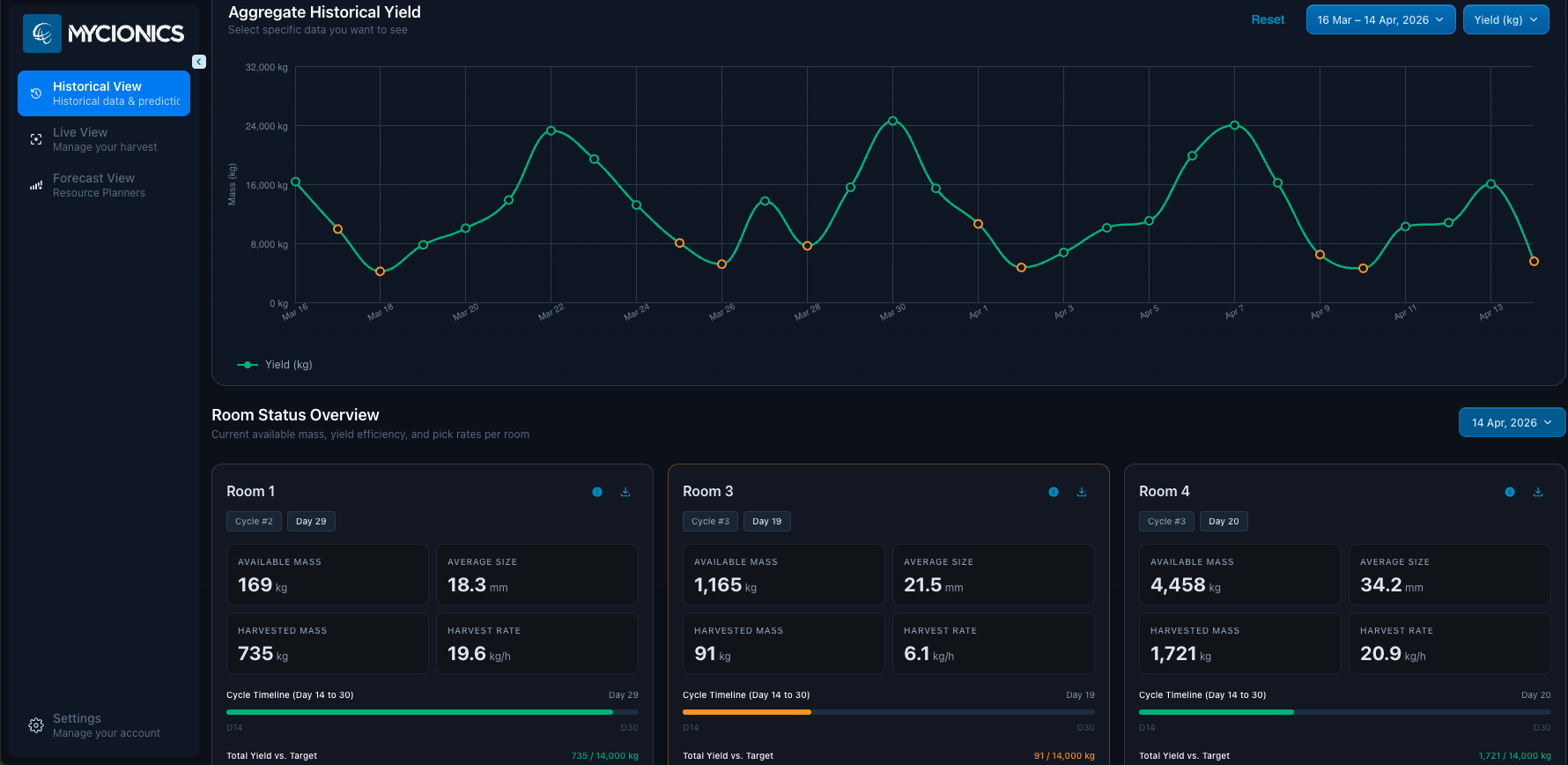
At South Mill Champs in Canada, the value of the technology became so apparent that the company purchased eighteen scanning and pointing units for deployment across its farm. According to Mycionics, the system is currently delivering an average yield improvement of 6.3 percent, representing approximately 23,000 additional pounds of mushrooms per unit annually. For growers, that is a meaningful impact.
Check out Mycionics Case study here.
Collaboration over competition
Throughout our conversation, one theme surfaced repeatedly: collaboration. Mycionics actively works with industry partners such as Limbraco and Christiaens to ensure technologies integrate seamlessly into existing farm infrastructures. Rather than trying to solve every challenge independently, the company believes the best solutions emerge through cooperation. That philosophy even extends to competitors.
Stefan speaks positively about other Canadian automation companies and believes that broader adoption of robotics across the industry benefits everyone involved. "If more farms successfully adopt automation, that's good for the industry."
It is a perspective that reflects the company's long-term mindset. Success is not measured by individual machines, but by the overall progress of the mushroom sector.
Looking ahead
Today, Mycionics continues to expand across Canada, the United States, Europe, Australia and New Zealand, while also attracting interest from South and Central America. The company is currently growing its team, adding new talent and preparing for the next phase of deployment.
Yet Stefan sees the future extending far beyond harvesting automation.
His vision is a connected mushroom industry where data flows between growers, compost suppliers, spawn producers, genetics companies, logistics providers and climate-control systems. A future where better information leads to better decisions, higher yields and a more sustainable industry.
The possibility of applying Mycionics technology to other crops may come one day. But for now, the focus remains firmly on mushrooms.
The company may be known for its robotics, but Stefan’s passion has never been about robots alone. It has always been about solving a problem worth solving.
That problem first took shape more than ten years ago, when Stefan, then a mushroom grower himself, began asking whether robotics could help secure the future of mushroom farming.
The answer wasn't built overnight.
It took thousands of tests, countless iterations and the willingness to start over when the first solution wasn't good enough. That mindset still defines Mycionics today.
Because building better robots has never been the company's ultimate goal. Building a stronger, more sustainable mushroom industry is.
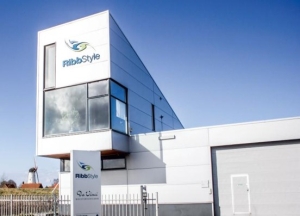
The opening of our new branch in Gujarat, India, is a wonderful moment for RibbStyle. Owner Martijn Meeuwse was present to officially open the doors together with the team.
The new office demonstrates what we stand for: working close to our partners and customers, with room for innovation, quality, and collaboration. During the visit, there was an energetic atmosphere, with a team ready to build the next steps together.
Moreover, Gujarat is an important region for the mushroom industry, a sector in which RibbStyle has been active for many years. Our specialized coatings are used worldwide to ensure hygienic, safe, and easy-to-clean cultivation environments. From Gujarat, we can support growers and suppliers in this fast-growing market even better with knowledge, service, and products tailored to local conditions.
With this location, we are taking a solid step forward. From our new branch, we can capitalize even better on opportunities in the region and continue to grow, develop, and create, together with the mushroom sector and other industries that require sustainable, reliable coatings.







