 Mushroom Matter
sharing mushroom news with care
Mushroom Matter
sharing mushroom news with care
Menubar










Mushroom Matter
Welcome on our platform. Why MUSHROOM MATTER? Because mushrooms play an important role in our lives as well in business. Our goal is to bring the world the very latest mushroom news with the upmost care to support the positioning of our beloved Mushroom.
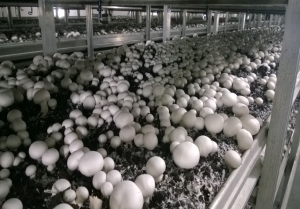
Harvesting quality
Picking mushrooms is more than just removing them from the beds. The handling and picking the right mushrooms is vital. Creating space to allow them to grow bigger is not only for yield. A mushroom with enough space has better evaporation and will hold the quality better, longer and will have a better shelf life as well. Handling of mushrooms can affect quality and shelf life.
Damaging mushrooms at picking is affecting the quality on the shelves and can be avoided by good training and supervision of the pickers. Especially at the start of the flush when the mushrooms need to be separated damage is easily done. At that stage it is important that the focus is on the quality of separation instead of the speed of picking. Separation needs time and the picking will be low. At some farms pickers are being paid at an hourly rate, which will get the pressure away of making the right amount of kilos and let the picker focus on the quality of the separation. As you can see on the picture below is what is commonly seen after separation.
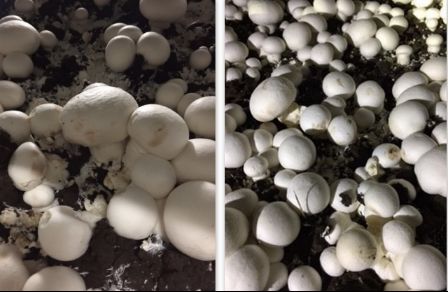
With removing just a few mushrooms several others are damaged and will never grow to top quality anymore.
What is a good separation? Well, of course that depends on what kind of size of mushrooms you want and also on how many pins are developed. When you want big sized mushrooms of course you give them more space and when you aim for smaller sized mushrooms, leaving them a bit tighter will be more beneficial. What really matters is the way you do the separation.
In practice it happens often that too many small mushrooms are being picked to separate where they could have got the same result with picking less.
First rule for the separation is; always pick the mushroom in the middle of the tight area. When you do that you will see that with just picking one single mushroom you can create space for many others around. When you still see lack of space, of course you pick more but start from the middle and you will minimize the numbers of mushrooms you need to pick to separate. Which size is getting picked while separating is not the main thing, as long as you only pick from tight areas.
Once the space is created we have to allow the mushrooms to grow to their maximum size to get a good yield. However, that means we need to pick them exactly on time if not we will lose the quality. Therefore, many farms trained the pickers the selective picking method. That means selecting the right mushrooms to pick and leave the others to give them the change to develop more. That we can achieve by over picking rooms several times a day and every pass pick the biggest mushrooms away and create space where needed. Harvesting all day mushrooms of 60mm is achievable if done in perfection. A mushrooms doubles in size every 24 hours, and will grow in weight 4% every hour, in weight, not in size. Doing a pass every 2 hours can give stunning results and can be done a lot easier with electric picking trolleys. A good planning need to be made for every picking day to ensure to have the right amount of pickers. Short of pickers can cause quality loss, too many picking cost yield as the mushrooms don’t get the time to grow to their full potential. Make the right choice daily!!
Just to get an idea of the growth of the mushrooms. We all know they double in weight every 24 hours. That means that we get 4% extra every hour, look at table below how that develops with a single mushroom of 40mm, that on average weights 22 grams.
40 mm = 22 gram = 100 %
45 mm = 28 gram = EXTRA 27 %
50 mm = 34 gram = EXTRA 54 %
55 mm = 40 gram = EXTRA 82 %
So we get 27% more weight from each mushroom if you let it grow 5mm more. Looks clear to me that it will be beneficial to do more passes on a daily base and let the mushrooms, that have space and are still strong enough, grow. Of course only if you did the right separation at the start.
Making a good harvesting team is therefore very important and every farm needs a good leading example with eye for the details to lead that process. A good harvest management can make or break all the efforts from earlier stages. Training and a good system will bring you many advantages and a quality that stands out. Every farm should have a designated trainer that will train new pickers into perfection. Remember that it’s easier to train a new picker when you spend the time then retrain pickers with bad habits.
Erik de Groot
GLAGS Global Agriculture Services
This email address is being protected from spambots. You need JavaScript enabled to view it.

Growing mushrooms to set up the path of prosperity
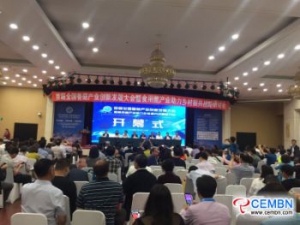
Meeting Announcement: The 2nd Shiitake Mushroom Industry Innovation Development Meeting





