 Mushroom Matter
sharing mushroom news with care
Mushroom Matter
sharing mushroom news with care
Menubar







What’s moving the mushroom industry right now?
Technology is becoming smarter and more connected
In our previous edition of Mushroom Matter Industry Insights, we explored how hybrid harvesting, semi-automation and technologies that work with biology are helping growers build more resilient production systems.
The next step in this evolution is not necessarily more automation, but smarter integration.
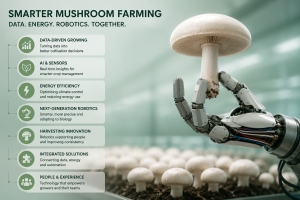
Across the mushroom industry, data, energy management and robotics are increasingly working together to help growers make better decisions, improve efficiency and optimise production. Rather than operating as separate innovations, these technologies are becoming part of one connected production strategy.
Below, we explore three developments that are shaping the next phase of mushroom cultivation.
Data-driven mushroom farming: turning information into better decisions
Modern mushroom farms generate more data than ever before.
Climate computers, sensors, cameras and monitoring systems continuously collect information about temperature, humidity, CO₂ levels, airflow and crop development. But collecting data is only the beginning.
The real value lies in translating that information into practical decisions.
Increasingly, growers are using data to optimise climate settings, predict crop development, improve harvest planning and identify trends that would otherwise remain unnoticed.
Artificial intelligence is also beginning to play a role, not by replacing experienced growers, but by supporting them. AI can recognise patterns across multiple growing cycles, helping growers respond more quickly and consistently to changing conditions.
The combination of digital insights and human expertise is becoming one of the strongest drivers of production efficiency.
Energy efficiency is becoming part of the growing strategy
Energy remains one of the largest operating costs in mushroom production.
Climate control, ventilation, cooling and heating are all essential for producing a consistent crop, but they also account for a significant share of production expenses.
Rather than treating energy efficiency as a sustainability project alone, many growers now view it as an integral part of crop management.
Optimising climate recipes, recovering heat, improving ventilation strategies and reducing unnecessary energy consumption all contribute to lower operating costs while maintaining crop quality.
The objective is no longer simply to use less energy, but to use energy more intelligently.
The next generation of harvesting robotics
Robotics continues to evolve rapidly, but expectations within the industry are becoming more realistic.
Instead of aiming for fully autonomous harvesting under every condition, today's developments focus on improving precision, flexibility and collaboration with human pickers.
Advances in computer vision, artificial intelligence and gripping technology are enabling harvesting robots to better recognise mushroom maturity, size and position. At the same time, robotics is expanding beyond harvesting into grading, packing and logistics.
These developments allow growers to automate repetitive tasks while maintaining the flexibility needed to deal with biological variability.
Rather than replacing people, the latest generation of robotics is designed to support the entire harvesting process.
Connecting the dots
Although data, energy management and robotics are often discussed separately, their greatest value lies in how they reinforce one another.
Data helps growers understand what is happening inside the growing room.
Energy management ensures the crop develops under the most efficient conditions.
Robotics helps translate those growing conditions into a more consistent and efficient harvesting process.
Together, these developments are creating mushroom farms that are not only more productive, but also more resilient and better prepared for future challenges.
The bigger picture
From our conversations with growers, suppliers and technology companies across the global mushroom industry, one trend is becoming increasingly clear.
Innovation is moving beyond individual technologies. The strongest solutions are those that combine biology, practical experience and digital tools into one integrated approach.
Rather than asking "Which technology should we invest in?", growers are increasingly asking "How do these technologies work together to improve our farm?"
At Mushroom Matter, we believe this shift towards connected thinking will define the next generation of mushroom production.
Looking ahead
In the next edition of Mushroom Matter Industry Insights, we'll once again take a step back from the daily headlines to explore the developments shaping the future of the global mushroom industry.
We'll continue to connect the dots between innovation, cultivation and market developments, bringing together the stories and trends that matter most to growers, suppliers and technology partners.
Published by Mushroom Matter: connecting the global mushroom community through insight, innovation and inspiration.
Just a week before our conversation, Stefan Glibetic attended the North American Mushroom Conference. While automation, robotics and data analytics were among the topics discussed, the dominant themes were familiar ones: labour shortages, declining mushroom consumption, pressure on margins, and the ongoing search for sustainable solutions that can help secure the future of the industry. For Stefan, these conversations felt very familiar. More than a decade ago, those same challenges were the reason Mycionics was founded.
A problem worth solving
Back in 2013, mushroom grower Murray Good approached the University of Western Ontario with what Stefan describes as a plea rather than a question. Labour was becoming increasingly difficult to find and retain, margins were shrinking, farms were struggling, and the long-term sustainability of the industry was at risk.
At the time, Stefan was studying robotics engineering. The challenge immediately caught his attention.
Many people viewed mushroom harvesting as too difficult to automate. Mushrooms are delicate, they grow in constantly changing environments, and any solution would need to meet strict food safety requirements while remaining affordable and practical for growers. Traditional automation simply did not fit the realities of mushroom farming. Rather than accepting that conclusion, Stefan wanted to understand why.
"The infrastructure already looked partially automated," he explained. "There were lifts, rails, conveyors and climate-controlled rooms. The question was whether modern robotics could take the next step."
Together with fellow researchers, university professors and Murray Good, he started exploring what would eventually become Mycionics.
From university project to commercial venture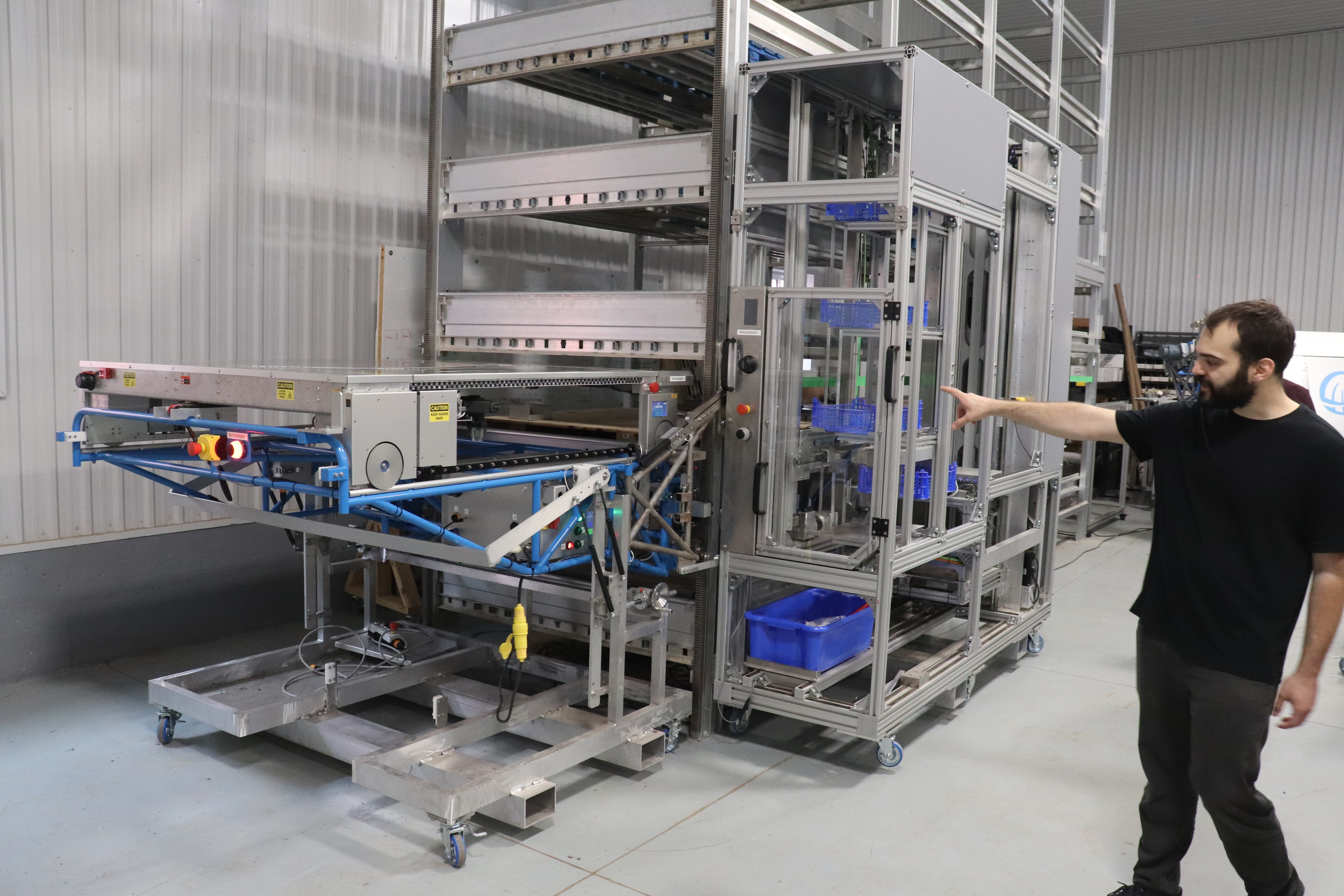
The first years were spent experimenting, testing and learning.
During his master's project, Stefan and another student developed an early robotic harvesting prototype capable of scanning mushroom beds, identifying mushrooms and picking them. It was slow and primitive by today's standards, but it demonstrated something important: robotic harvesting was possible.
Government-funded research grants helped finance the early work, while the mushroom farm supplied crates of mushrooms for testing different grippers, vision systems and harvesting methods under real conditions.
By 2014, Mycionics was officially formed. As interest and momentum grew, additional investment from Doug Wagner allowed the company to move beyond academic research and begin building a commercial business.
The team relocated to Murray's farm, hired engineers and began industrializing the technology. What followed was more than a decade of continuous iteration.
Learning on the farm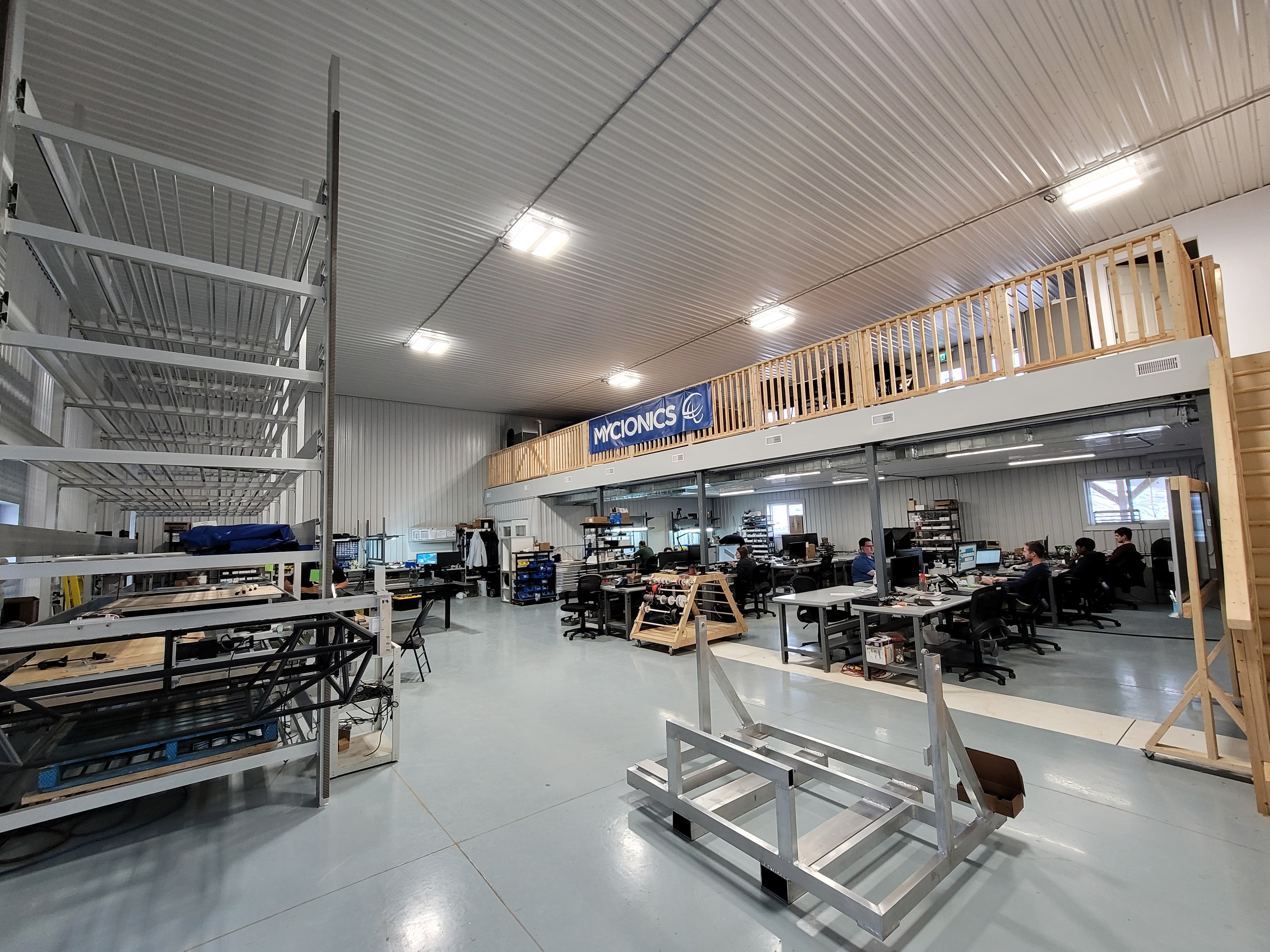
Being located directly on a mushroom farm became one of Mycionics' greatest advantages. Instead of developing technology in isolation, the team could test solutions in real-world conditions every day. New prototypes were built, deployed, tested, modified and tested again.
Humidity caused problems.
Infrastructure caused problems.
Reliability caused problems.
Every challenge became another lesson.
Over time, the company developed more than thirty generations of improvements across its harvesting, lifting and packing systems.
Perhaps no story captures those years better than the agreement Stefan made with the farm's head grower. If the robot failed to harvest the crop, the Mycionics team would finish the job themselves.
And it happened. Often.
Whenever the machines fell short, Stefan and his colleagues climbed onto the harvesting trolleys and picked mushrooms through the night. It was demanding work, but it taught them something invaluable. They learned firsthand what growers expect from technology, what reliability truly means, and how difficult it is to operate successfully in a commercial mushroom farm.
As Stefan puts it, a mushroom farm does not need impressive technology. It needs technology that works.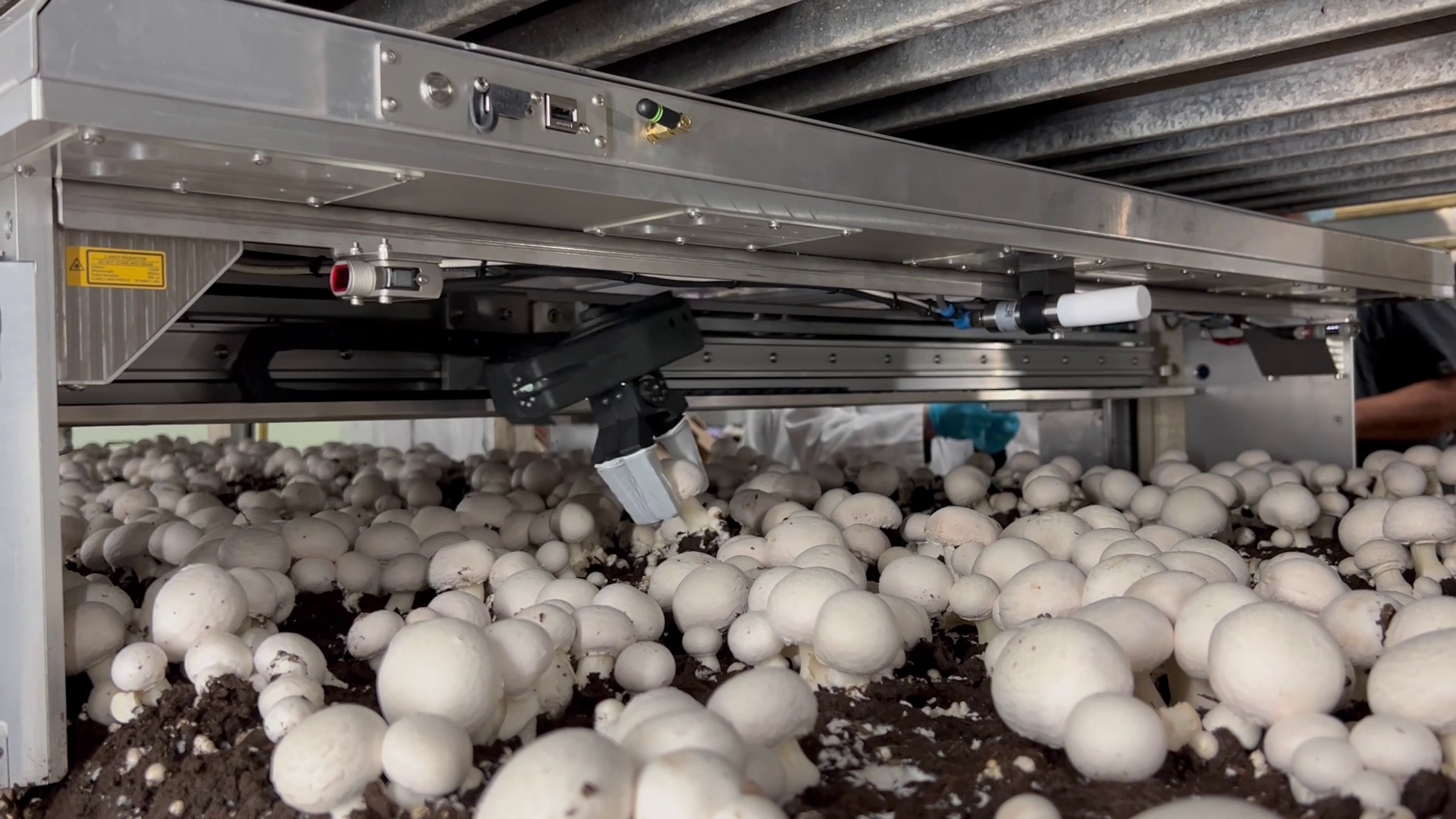
Proving it could be done
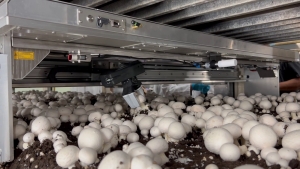
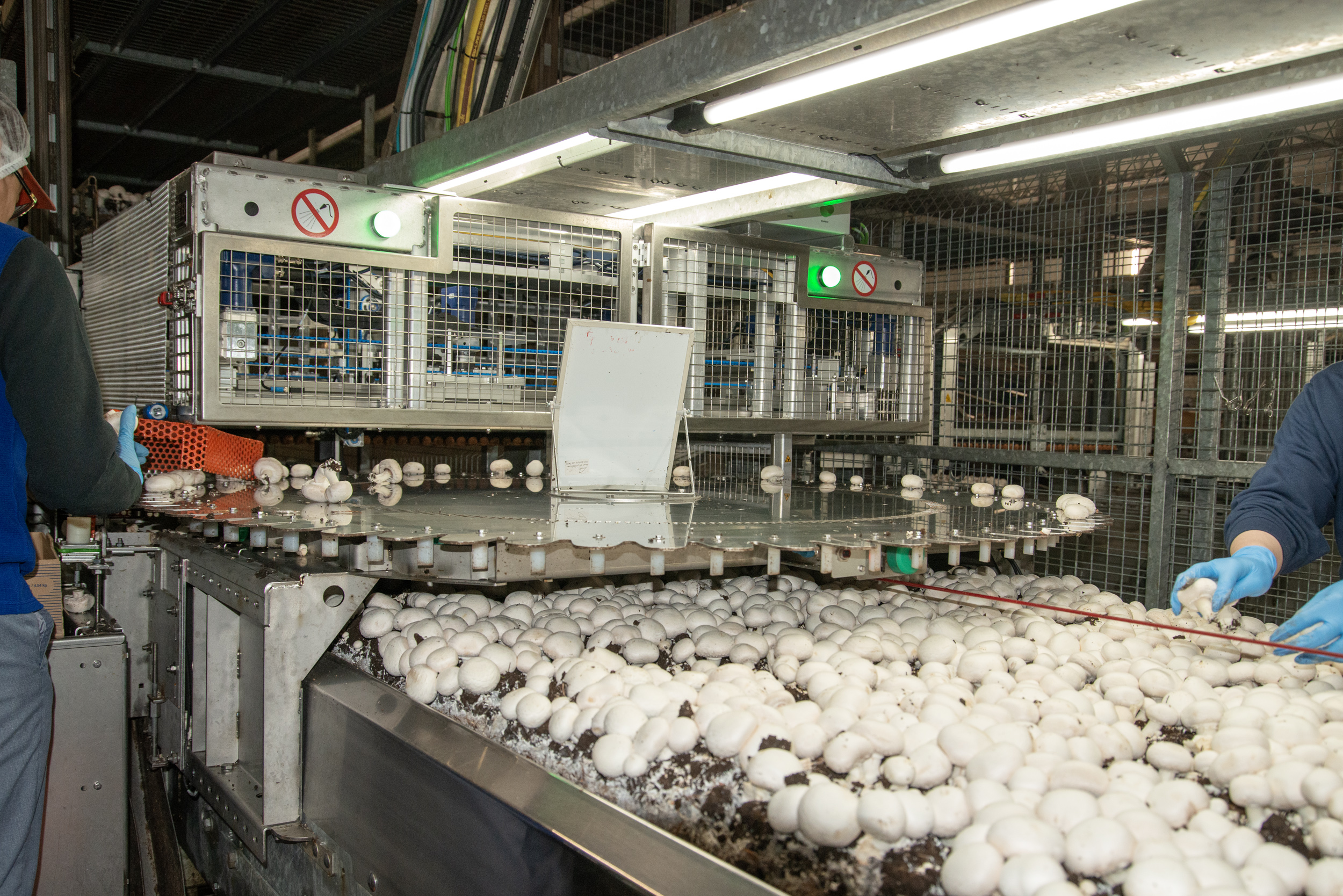
By 2022, Mycionics had achieved something many considered impossible. The company had developed a complete robotic harvesting system capable of picking, cutting, packing and stacking mushrooms within traditional Dutch aluminium shelving systems. Multiple robots worked together, sharing data and coordinating tasks throughout the growing rooms.
Technically, the challenge had been solved. The robots could harvest mushrooms around the clock, produce excellent quality, and successfully complete the full harvesting process.
Commercially, however, the breakthrough had not yet arrived.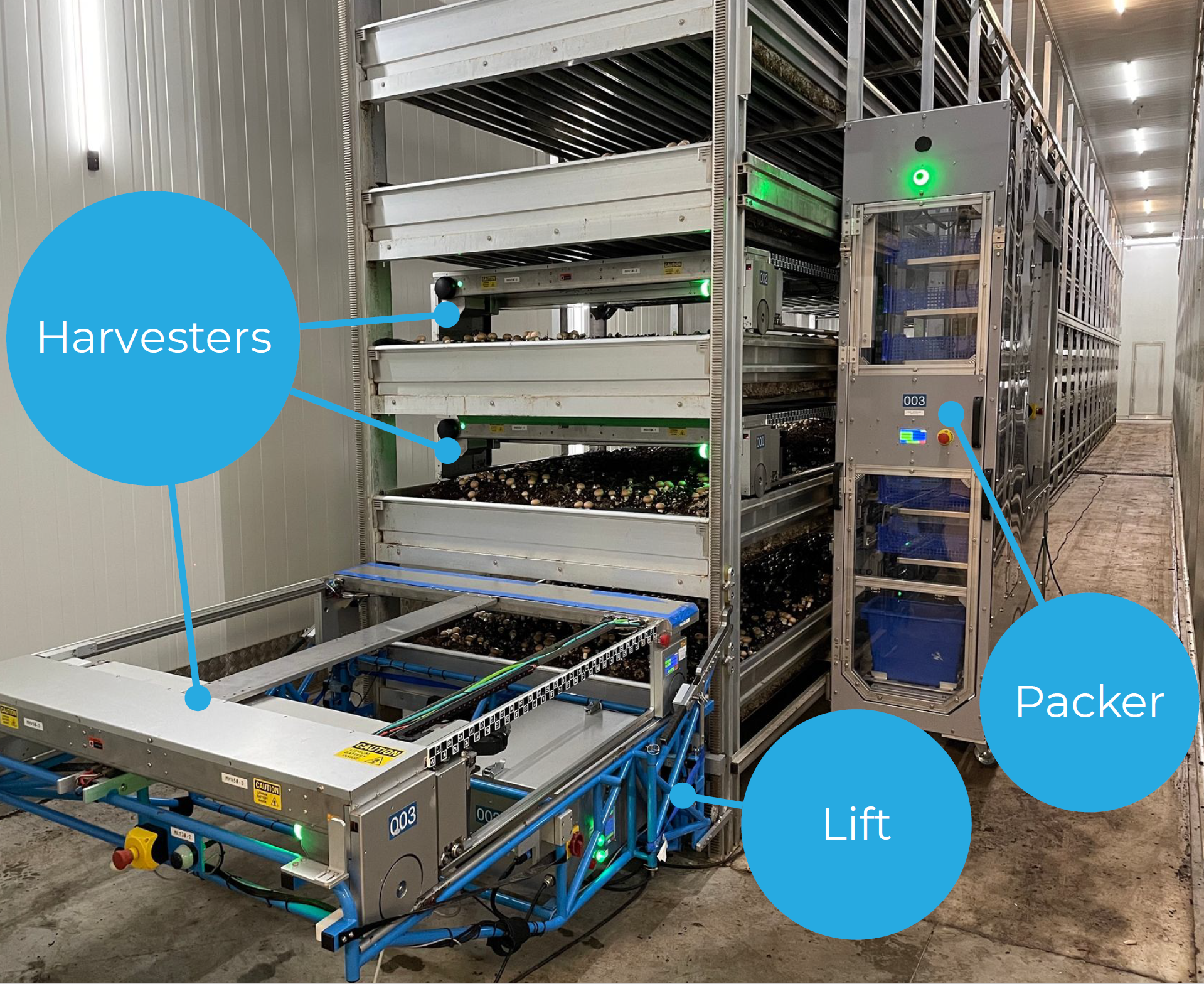
Despite the technological achievement, the systems were still not fast enough and not cost-effective enough to provide the breakthrough growers truly needed. 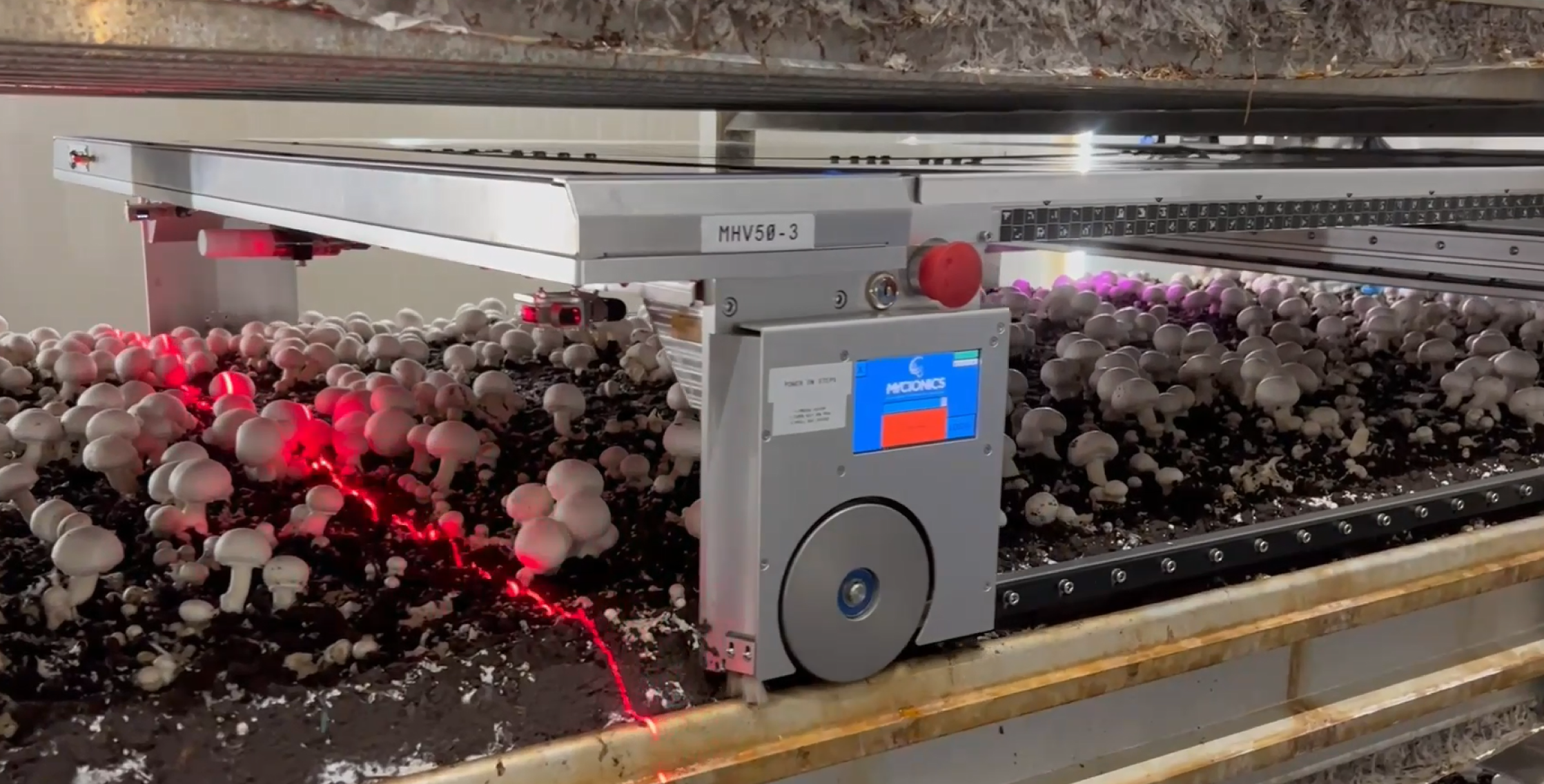
Many companies would have commercialised the system anyway. Mycionics chose a different path.
Starting over to move forward
In 2023, Mycionics chose to rethink its approach. Rather than pushing a solution to market simply because it worked, Stefan and his team stepped back and asked a different question:
What does the industry actually need? The answer was not full automation. The answer was smarter automation.
The team redesigned its technology around a hybrid model that combines the strengths of both people and machines. Robots focus on repetitive tasks such as harvesting, packing and handling. People focus on higher-value activities such as thinning, pruning, quality control and crop management. This approach dramatically improved the economics while maintaining flexibility for growers.
The company also modularized its entire technology platform, ensuring systems could be maintained by farm staff rather than requiring specialist technicians. In an industry where crops cannot wait, that distinction matters.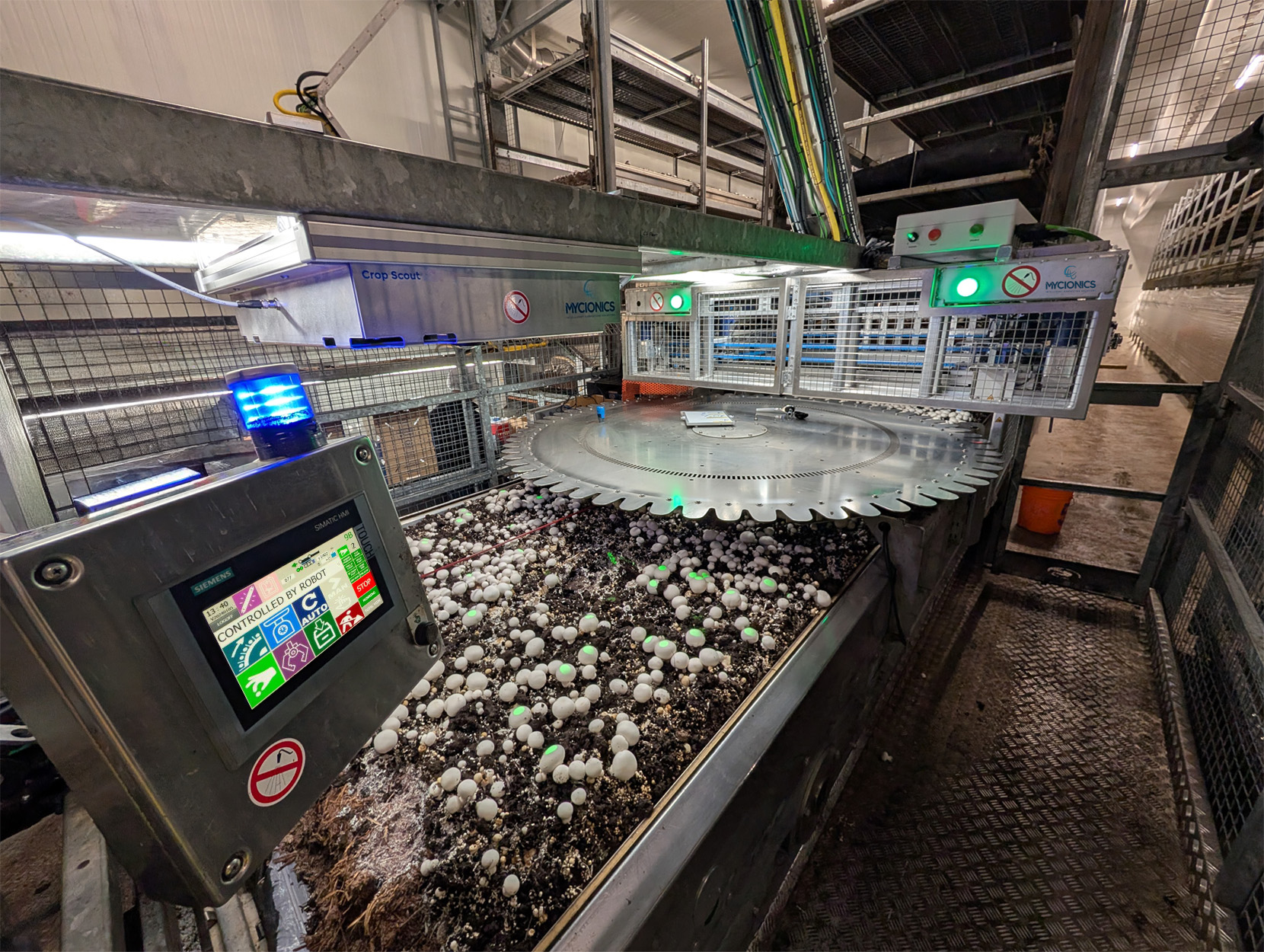
Today, Mycionics adapts its solutions to different farming infrastructures, including drawer systems and traditional Dutch shelving, each with different levels of automation depending on what makes the most practical and economic sense.
From robotics to crop intelligence
As the technology evolved, another opportunity emerged. Data.
The robots weren't just harvesting mushrooms anymore. They were collecting information.
Every mushroom scanned by a robot generates data. Every harvest creates new insights. Every growing cycle reveals patterns.
Mycionics realised that its vision systems could provide value long before a mushroom was ever picked.
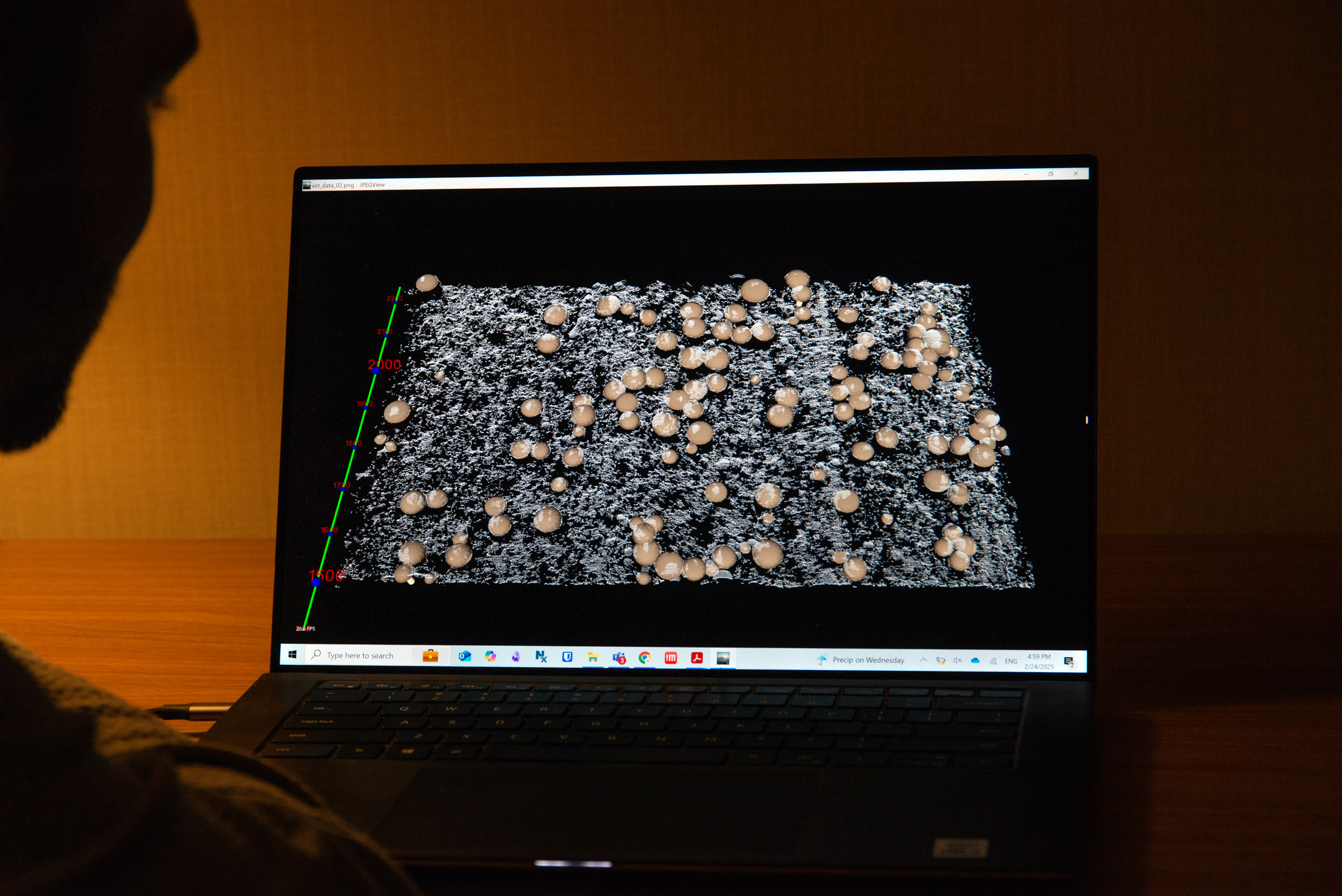
This led to the development of Crop Scout and pointing systems that help growers track mushroom growth, optimize harvesting decisions and improve yields. The results have been significant.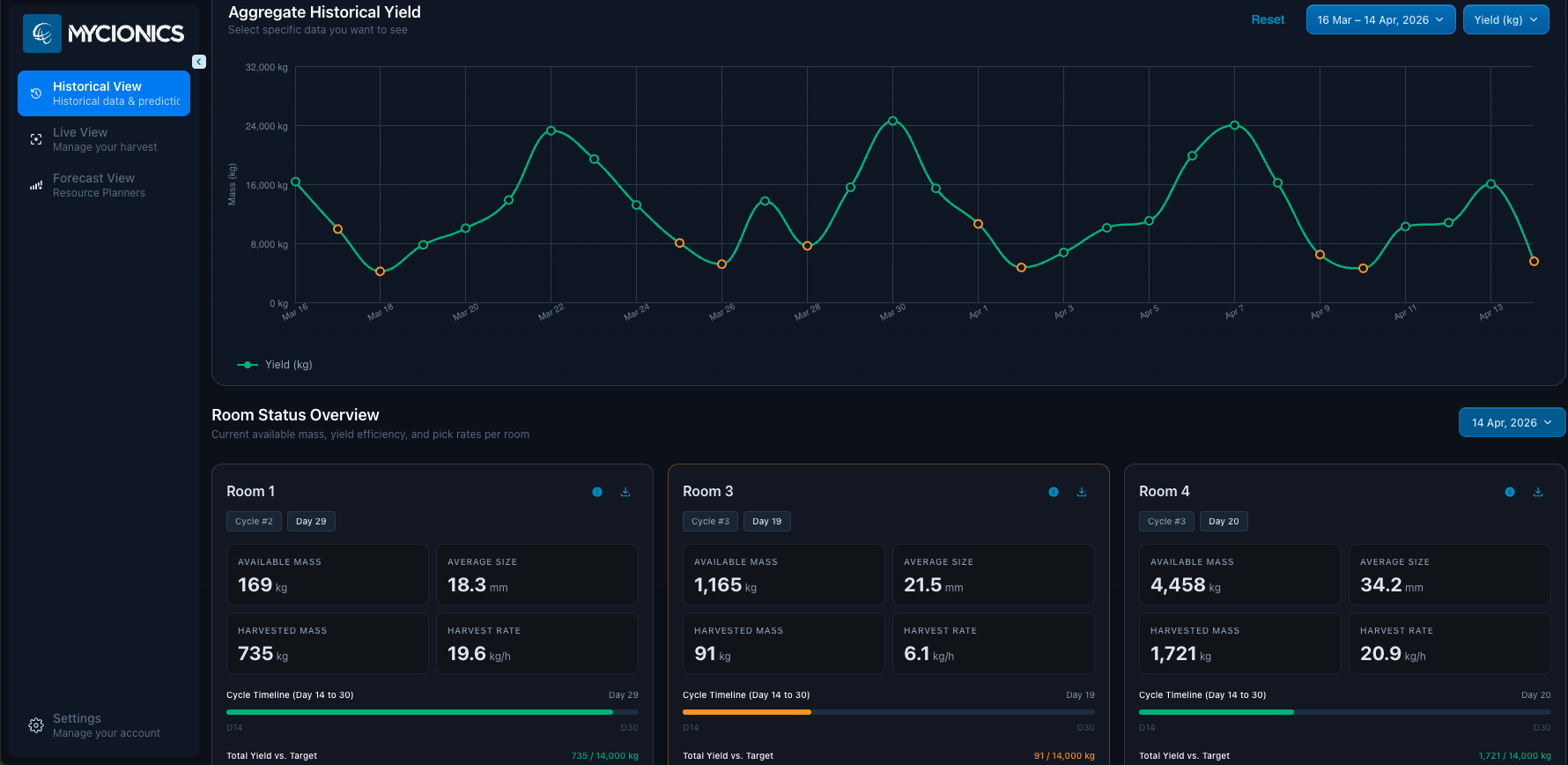
At South Mill Champs in Canada, the value of the technology became so apparent that the company purchased eighteen scanning and pointing units for deployment across its farm. According to Mycionics, the system is currently delivering an average yield improvement of 6.3 percent, representing approximately 23,000 additional pounds of mushrooms per unit annually. For growers, that is a meaningful impact.
Check out Mycionics Case study here.
Collaboration over competition
Throughout our conversation, one theme surfaced repeatedly: collaboration. Mycionics actively works with industry partners such as Limbraco and Christiaens to ensure technologies integrate seamlessly into existing farm infrastructures. Rather than trying to solve every challenge independently, the company believes the best solutions emerge through cooperation. That philosophy even extends to competitors.
Stefan speaks positively about other Canadian automation companies and believes that broader adoption of robotics across the industry benefits everyone involved. "If more farms successfully adopt automation, that's good for the industry."
It is a perspective that reflects the company's long-term mindset. Success is not measured by individual machines, but by the overall progress of the mushroom sector.
Looking ahead
Today, Mycionics continues to expand across Canada, the United States, Europe, Australia and New Zealand, while also attracting interest from South and Central America. The company is currently growing its team, adding new talent and preparing for the next phase of deployment.
Yet Stefan sees the future extending far beyond harvesting automation.
His vision is a connected mushroom industry where data flows between growers, compost suppliers, spawn producers, genetics companies, logistics providers and climate-control systems. A future where better information leads to better decisions, higher yields and a more sustainable industry.
The possibility of applying Mycionics technology to other crops may come one day. But for now, the focus remains firmly on mushrooms.
The company may be known for its robotics, but Stefan’s passion has never been about robots alone. It has always been about solving a problem worth solving.
That problem first took shape more than ten years ago, when Stefan, then a mushroom grower himself, began asking whether robotics could help secure the future of mushroom farming.
The answer wasn't built overnight.
It took thousands of tests, countless iterations and the willingness to start over when the first solution wasn't good enough. That mindset still defines Mycionics today.
Because building better robots has never been the company's ultimate goal. Building a stronger, more sustainable mushroom industry is.
The benefits of hybrid harvesting - Mycionics
Why collaborative robotics make sense in mushroom production
What happens when humans and robots harvest side by side? Not in theory, but in the real, high-pressure reality of mushroom farms, with variable growth, peak flushes, labour shortages and razor-thin margins.
Hybrid harvesting, also known as collaborative robotics, is gaining ground precisely because it doesn’t pretend farming is predictable. Instead of forcing full automation before the technology or the farm is ready, it offers a practical middle path, robots and people working together, each doing what they do best.
For many growers, that balance is exactly what makes automation finally workable.
Why hybrid harvesting matters right now
There is a growing consensus in the industry that fully autonomous harvesting is not yet a universal answer. Mushrooms don’t grow the same way twice. Flushes vary, beds behave differently, and peak moments can overwhelm even the fastest machines.
At the same time, labour pressure continues to rise. Growers are looking for solutions that reduce dependency on manual labour, without taking on the risk of an all-or-nothing automation leap.
Hybrid harvesting answers that tension. It allows farms to automate step by step, task by task, proving value along the way, while keeping humans involved where flexibility, judgment and backup capacity are essential. In short, it lowers risk, increases resilience, and makes automation adaptable to real farming conditions.
What hybrid harvesting actually means
Mycionics defines hybrid harvesting as giving growers control over how much of the harvesting process is done by robotics and how much by people, and being able to adjust that balance when conditions change.
In practice, many robotic systems can handle around 70 to 80 percent of the physical picking work. But the remaining portion often determines profitability, especially during peak flushes, selective picking moments and quality-critical decisions.
Hybrid systems are designed to absorb those fluctuations. When robots reach their maximum capacity, human pickers can seamlessly augment the process. When labour is scarce, automation takes the lead. The system does not fail when reality deviates from the average.
Designing for reality, not perfection
A key reason Mycionics chose a hybrid path is simple. In complex environments, trying to be cheaper, faster and better at the same time usually leads to compromises elsewhere.
Mushroom harvesting involves thousands of micro-decisions per shift. Where to go on the bed. Which mushrooms are at the right stage. How to pick without damage. Where to place product. How to manage containers and flow.
Humans are strong in judgment and adaptation. Robots excel at consistency, precision and repetition. Hybrid harvesting assigns each role accordingly.
Mycionics’ proprietary vision, decision support and crop-intelligence system identifies mushroom size, predicts growth and determines optimal picking moments. These decisions can then be executed either by robotic arms or by human pickers, removing cognitive load from people while preserving flexibility. The result is faster picking, better timing and more consistent quality.
From scanning to packing, a modular approach
Hybrid harvesting does not start or end with picking.
Pre-harvest scanning maps pinned beds, tracks growth over time and predicts when and where harvesting should begin and how to adjust environmental factors to boost yield. Crop Scout guidance points human pickers to the mushrooms that should be harvested first, eliminating guesswork and increasing efficiency.
Robotic harvesting units mounted on drawers or lorries can handle large volumes, placing mushrooms onto belts, conveyance systems or directly into containers. During short, intense flush periods, humans can work alongside the robots to temporarily increase capacity during separation.
After picking, packing makes up about 50% of the labor cost in harvest. Robotic packing systems automate one of the most labour-intensive stages, improving weight accuracy, reducing giveaway and maintaining best presentation quality – “cheaper faster better”!. Because all modules share the same vision and intelligence backbone, growers can scale gradually, investing when confidence and return on investment make sense.
Measurable impact on farms
Early results in side-by-side comparisons on neighboring beds show why this approach resonates. Where growers are using crop intelligence and guided picking see around 15 percent improvement in labour efficiency and 10 to 15 percent yield improvement through better harvest timing.
With robotic harvesting, up to 75 percent of picking labour can be automated using multi-arm systems, with human support during early separation days to set the bed for full automation. Robotic packing significantly reduces labour demand in a stage that often represents around half of total harvest labour costs.
Beyond the numbers, growers value something less tangible but equally important. Systems that keep working when conditions are not perfect and never tire.
The role of AI, and where humans still matter
Machine vision and AI improve with data. The more cycles a system runs, the more accurate it becomes at recognising patterns, detecting anomalies and recommending actions.
Robots do not get tired or inconsistent. Over time, they become highly precise. Humans, however, still outperform algorithms in contextual judgment, especially when something unexpected happens. Hybrid harvesting acknowledges that reality instead of fighting it.
By collecting data early and continuously, growers build the foundation for smarter automation over time, without betting the farm on day one.
Looking ahead, hybrid as the bridge forward
Over the next three to five years, hybrid harvesting is likely to become the dominant automation model in mushroom production. Not as a compromise, but as a transition strategy that works NOW.
As technology proves itself in the field, confidence grows and returns grow. As confidence and returns grow, automation deepens. The system remains flexible, modular and grounded in farm realities.
The guiding principle remains simple. It has to work.
Born out of mushroom farming itself, Mycionics continues to focus on solutions that deliver value immediately, scale responsibly and strengthen the industry as a whole. There is no winner-takes-all model here, only progress that works when everyone can keep up with the harvest.
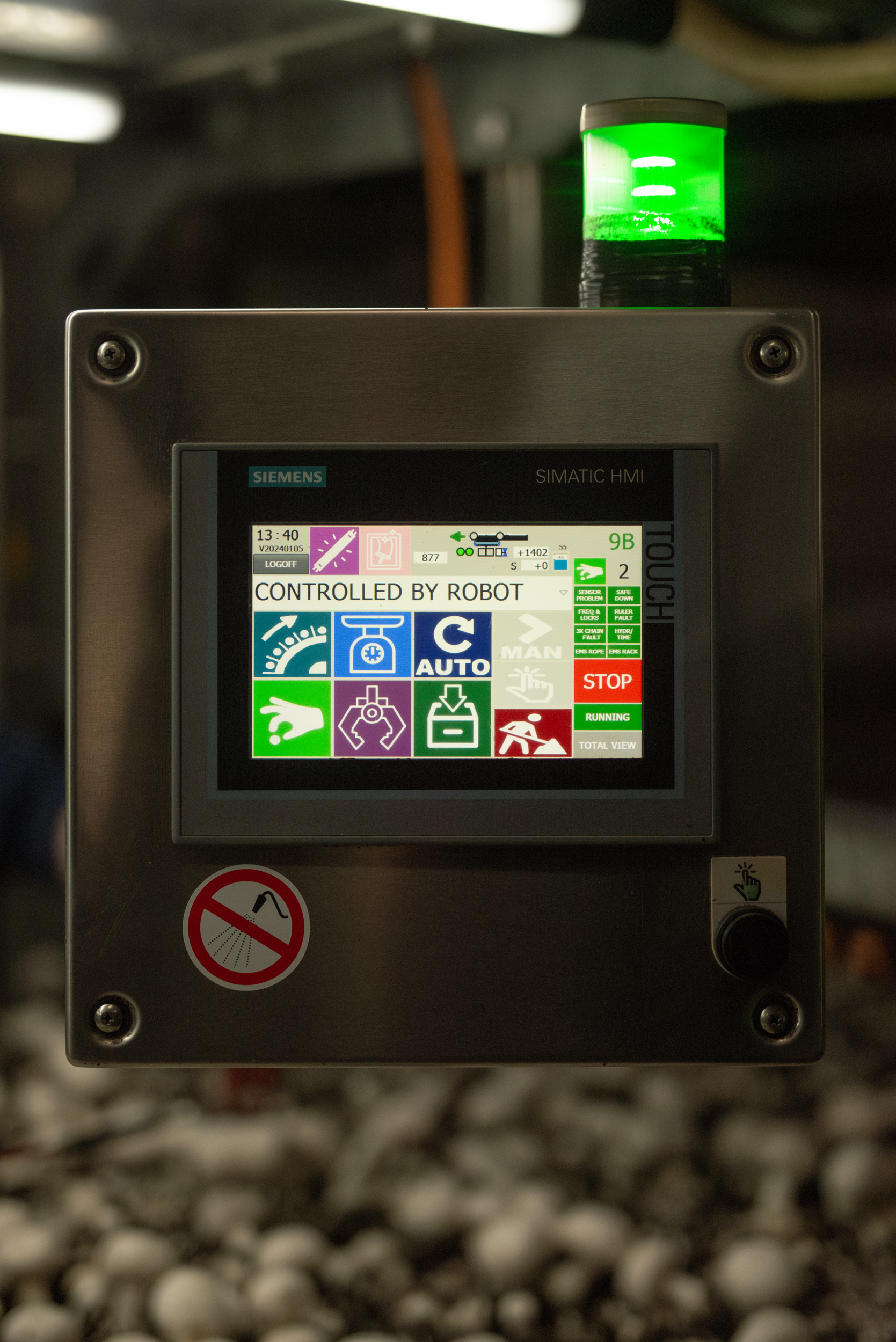
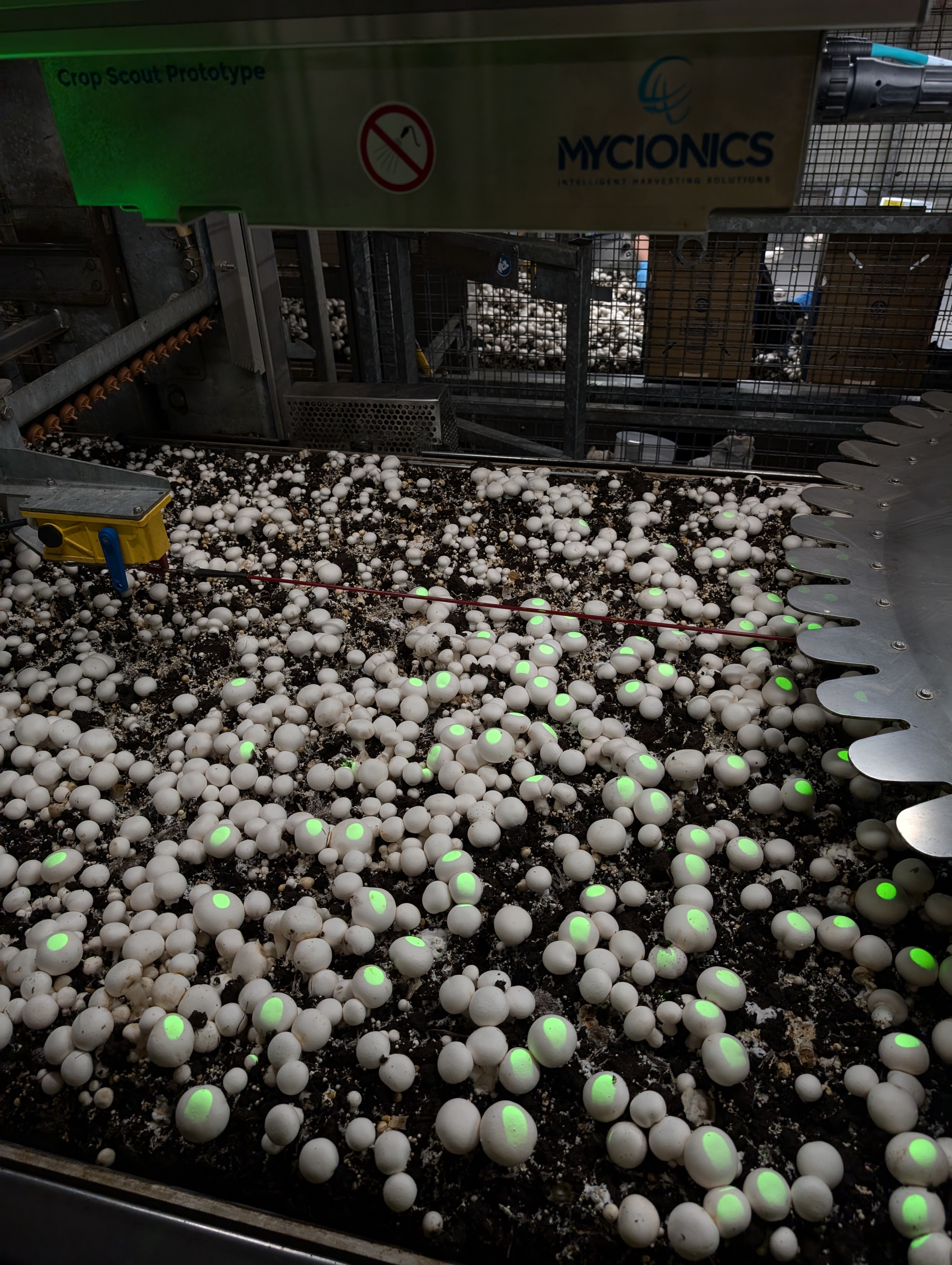
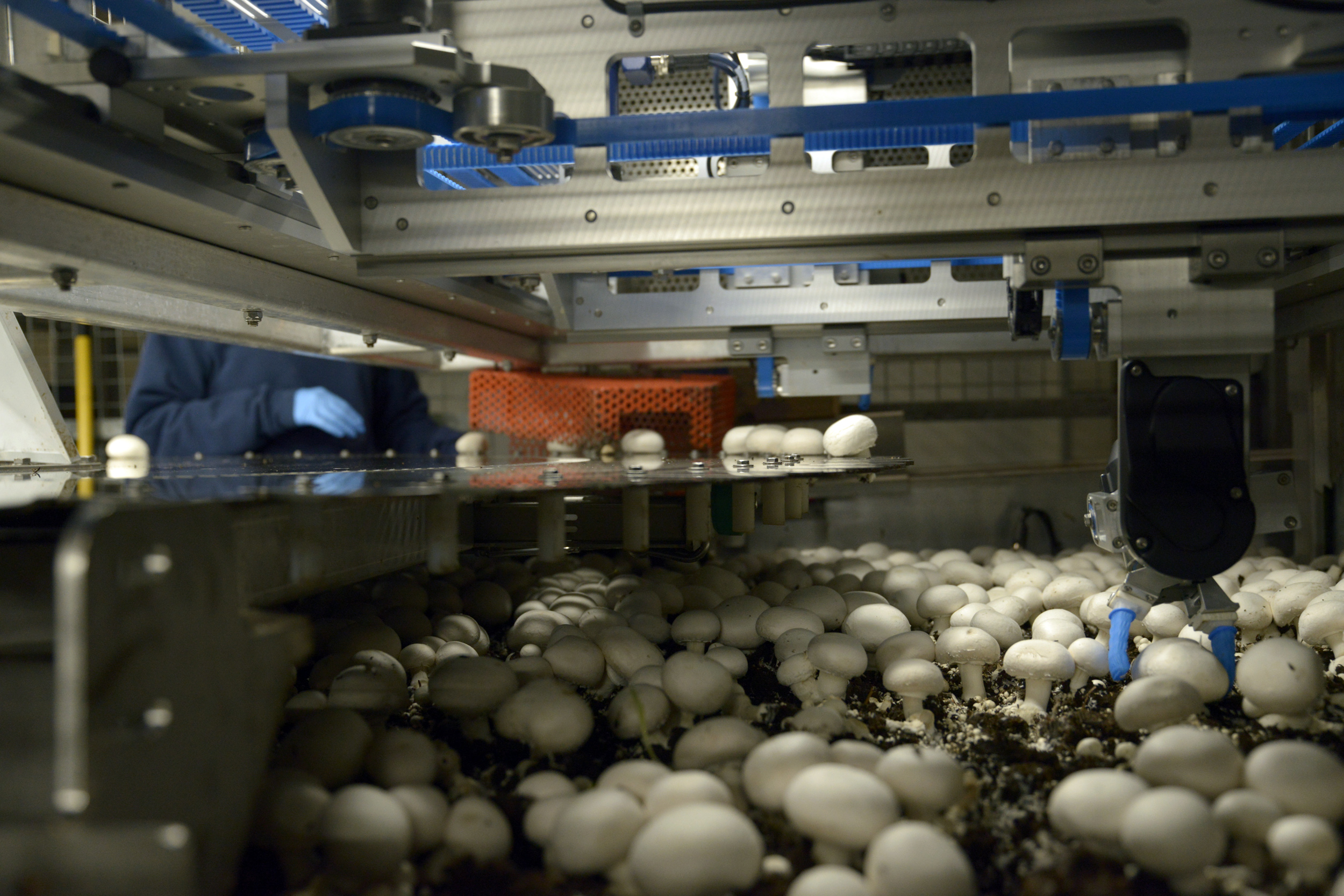
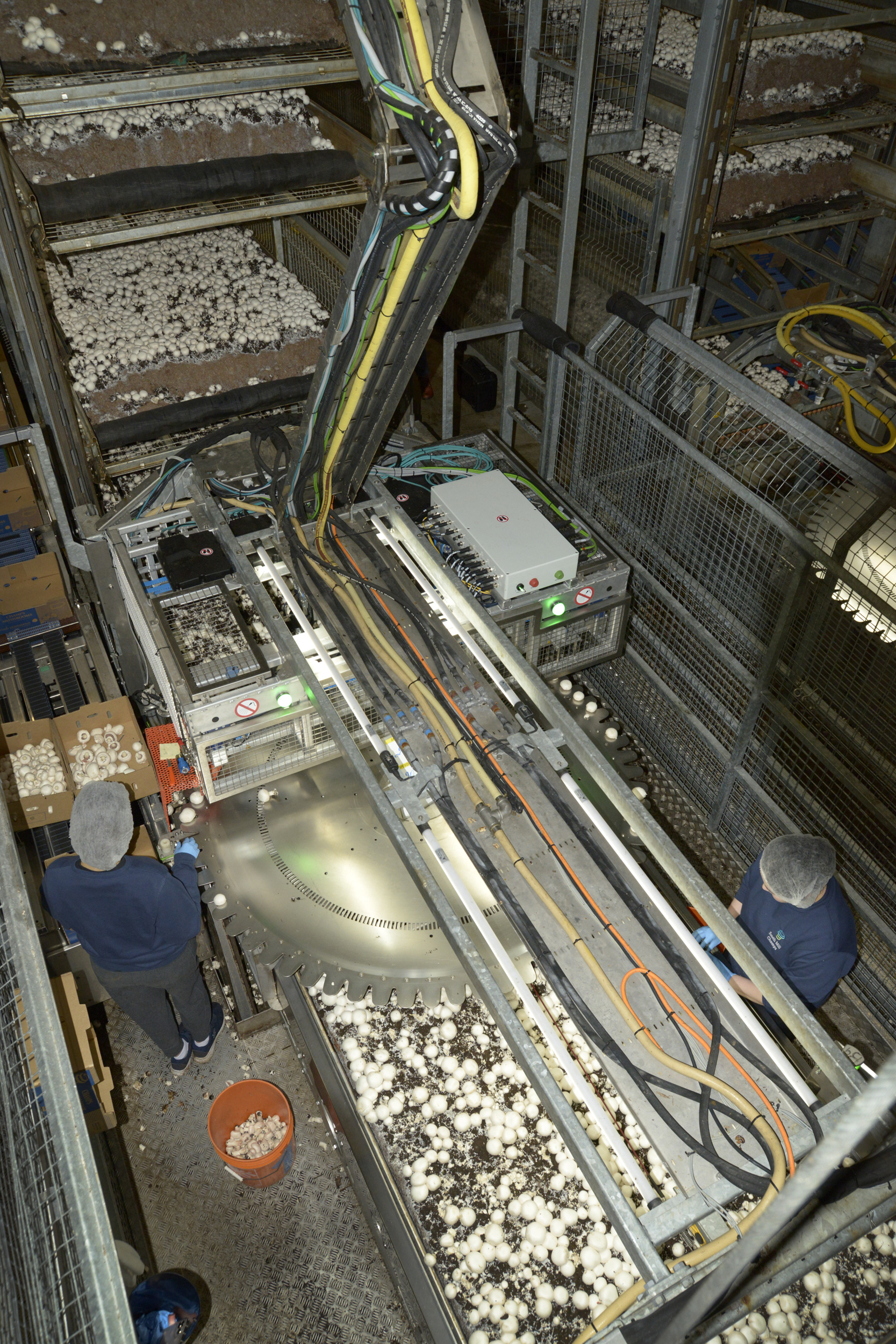

https://www.mushroommatter.com/details/itemlist/tag/mushroomfarming#sigProIdd0a238aee6
Mycionics, a Canadian-based pioneer in advanced mushroom harvesting systems, is announcing the launch of its robotic mushroom harvesting and scanning system with South Mill Champs, one of North America’s largest mushroom farms.
A rigorous six-month pilot proved the market’s first economically viable solution to the industry’s pressing labour challenges. Employing a hybrid harvesting approach enabled by the Christiaens Group’s drawer infrastructure, this technology allows humans and robots to work side-by-side on centralized platforms. The method leverages humans for their skill, and robots for their precision and stamina. With two robotic arms, the system harvested 33% of the crop with quality exceeding human harvesting, while also providing real-time crop insights that optimize growing and harvest decisions.
“Having lived through the complexities of robotizing traditional mushroom farms, I am confident in this new hybrid approach,” said Stefan Glibetic, CEO of Mycionics. “Now validated by South Mill Champs’ commitment to this large-scale deployment, it marks a new era for mushroom production.”
Deployment at South Mill Champs will occur in two phases. Phase one, beginning July 2025, will implement Mycionics’ scanning and pointing technologies farm-wide. These are projected to enhance harvesting efficiency by 15% and increase crop yield by 4-8% through guided labour and precision picks. This phase also includes demonstrating Mycionics’ next-gen robotic system, capable of harvesting 75% of the crop through robotic picking, packing, sorting, and grading. Phase two will fully populate the farm with robotics in 2026.
Mycionics is poised to transform the industry beyond North America. Following South Mill Champs’ lead, several farms in Europe have committed to adopting the technology, signalling strong international interest and the broad applicability of Mycionics’ solutions.
For additional information, visit mycionics.com or contact This email address is being protected from spambots. You need JavaScript enabled to view it.

Renewable and sustainable energy reviews
Sustainable agriculture holds a key role in attaining a balanced approach to increase productivity, especially for growing industries like mushroom production.
Producers like China, the USA, and the UK lead the race for global mushroom production, while India lags with 0.18 million tonnes of output. However, ensuring the sustainability of the mushroom industry is needed for environmental conservation, long-term economic viability, and the overall well-being of communities dependent on this agricultural sector. This review focuses on the recent trends in waste and carbon footprint generation from the mushroom industry, emphasizing spent mushroom substrate and utilities like electricity.
Moreover, this review extensively covers recent advancements in research concerning incorporating innovative technologies such as AI and precision agricultural technologies like Internet-of-Things (IoT) and big data and contemporary approaches, such as solar energy in mushroom farming. The challenges the mushroom industry faces, and policies to tackle them and promote sustainable agriculture are also thoroughly explored. The review concludes that the carbon footprint generation and waste release from mushroom production can be mitigated using AI, IoT, big data, machine learning, integrated sensors, etc., by increasing production efficiency and optimizing processes.
Conventions such as circular economy, conventional energy substitution, carbon credit, and carbon capturing can also alleviate carbon emissions and carbon footprint. Therefore, this will allow the mushroom industry to align with Sustainable Development Goals 7 (affordable and clean energy) and 13 (climate action). Moreover, there is an urgent need to refine the schemes and provisions to make mushroom cultivation a sustainable agricultural sector.
Read the full article here on Science Direct.
Green innovation in shiitake mushroom farming
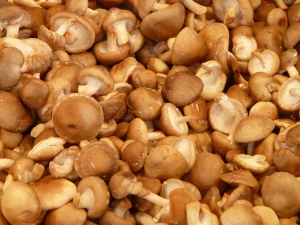
In Xixia county, Henan province, a local factory has introduced high-temperature, high-pressure sterilizers to improve the production of mushroom spawn bags. These new devices enable the factory to produce nearly 50,000 bags daily, benefiting local shiitake mushroom growers.
Previously, farmers used coal for drying mushrooms and sterilizing spawn bags, leading to environmental issues. The switch to electrical devices has improved efficiency and reduced carbon emissions. Smart greenhouses now allow farmers to control growing conditions in real-time, further enhancing productivity.
To support these changes, the local power supplier has upgraded substations and transmission lines to meet the increased electricity demand. This green transformation is expected to save the county over 40 million yuan in production costs and reduce carbon dioxide emissions by 70,000 to 90,000 tons annually, solidifying Xixia's status as a leading shiitake mushroom producer.
Please read the full article here.
Source: China Daily
Ecovative and Limbraco Join Forces to Transform Mushroom Farming with Cutting-Edge Technology
- The collaboration opens doors to emerging markets in mycelium-based products, offering farmers new avenues for business expansion.
- Comprehensive training and support will be provided to farmers, ensuring seamless integration of this technology into their operations.
GREEN ISLAND, N.Y., December 6th, 2023 — Today marks a significant milestone as Ecovative, the frontrunner in mycelium-based materials, and Limbraco International BV, a leading manufacturer in mushroom agricultural machinery, proudly announce a strategic alliance to manufacture specialized farming equipment for the production of Ecovative’s flagship AirMycelium™ crops. This collaboration is focused on developing state-of-the-art filling and harvesting equipment, aimed at introducing new, high-value mycelium crops to the mushroom farming industry and accelerating the growth of the mycelium materials sector.
"We are excited about this partnership with Ecovative," says Frank Cornelissen of Limbraco International BV. "It represents a fusion of cutting-edge technology and new markets, aimed at empowering mushroom farmers with the tools they need for success in an emerging and competitive industry."
Ecovative’s technology unlocks a new mushroom mycelium crop for use in fashion materials and animal-free meats. The technology is designed to integrate directly with existing mushroom farms, allowing mushroom growers a quick addition of high value, fast growing product lines to their facilities.
To bring the burgeoning mycelium-based industry to market at scale, Limbraco's machinery includes custom-designed equipment that ensures consistently high yields and quality material when paired with Ecovative’s patented growing process. A successful pilot with Whitecrest Mushrooms, a large commercial mushroom farm in Ontario Canada, demonstrated the viability of this approach, and the farm will be dedicating half of its mushroom production capacity to the new AirMycelium technology in 2024.
“Limbraco's sophisticated and reliable equipment is essential for meeting the unique requirements of Ecovative’s mycelium crop, AirMycelium.” said Gavin McIntyre, Chief Commercial Officer at Ecovative, “This strategic alliance is a significant step towards scaling up the production of new high-value mycelium crops for mushroom farmers, which hold immense potential for food and fashion."
The announcement comes after a year of close collaboration between Ecovative and Limbraco. Access to Ecovative and Limbraco's mycelium production machinery will be exclusive to Ecovative’s mushroom farm network. To enquire about opportunities or become a contract grower visit ecovative.com.
About Ecovative:
Ecovative is a biological science and design company, advancing mycelium technology to transform industries with high quality, Earth-friendly materials. Founded in 2007, Ecovative makes mycelium materials and products commercially competitive and accessible to everyone. Leveraging its Mycelium Foundry, dedicated production capacity and a range of industry leading partners, Ecovative grows better materials for everyday needs. To learn more, visit ecovative.com.
About Limbraco:
For over 50 years Limbraco has been active in the mechanization, automation and delivery of complete systems in the entire mushroom growing sector. With in-house knowledge and technology, Limbraco is able to offer turnkey projects, both in the Netherlands and around the world. This means the engineering, construction, machine technology and climate control systems required for a mushroom farm in its entirety. All specific components are manufactured in-house, for example, picking lorries, conveyors, special doors, climate units, control cabinets, et cetera.
Media Contact:
Lacey Davidson — This email address is being protected from spambots. You need JavaScript enabled to view it.
Media Kit
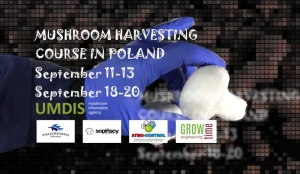
Are mediocre yields and harvests not satisfying you? This mushroom harvesting course is for you
In the competitive realm of mushroom farming, achieving perfection is the key to success. However, striving for excellence in harvesting efficiency often requires guidance from seasoned experts. Don't worry; UMDIS has you covered. Its upcoming training course is tailor-made for ambitious growers like you, promising a fast track to unprecedented yields.
Mushroom harvesting course — who, when and where?
Led by the accomplished instructor, Lina Turovska, who effortlessly manages six farms across America, UMDIS' mushroom harvesting course is a three-day immersion into cutting-edge techniques for optimizing your harvesting process. Expect to learn methods that can boost your yields by an impressive 5–8 kilograms of mushrooms per square meter!
In order to accommodate various schedules, the organisers decided to organise two events, which take place later this month: one from September 11-13, 2023, conducted in both English and Polish and another from September 18-20, 2023, conducted exclusively in English.
Just like the staff and equipment, the locations have been carefully selected to provide maximum value to the participants. By signing up you’ll get the opportunity to visit Sopinscy Uprawa Pieczarek, which is the largest farm in Europe, as well as the exceptional Wierzbno Mushroom Farm.
Learn while using GROWTIME’s top-of-the-line equipment
At GROWTIME, we're passionate about advancing the mushroom growing industry. We don't just produce equipment; we share the expertise to make the most of it.
We’ve partnered with UMDIS to conduct a theoretical and practical session on the optimal operation of our modern mushroom picking trolleys. These trolleys are designed with the most demanding customers in mind, and now you can master their potential.
Ready to take your mushroom farming to the next level? Sign up today and learn from the best in the business! Visit our website to read more about the upcoming training course and to check out GROWTIME’s state-of-the-art lorries, which will be in action during the events.
Biodegradable bags to revolutionise mushroom farming
University of Queensland researchers are working with industry to develop biodegradable ‘plastic’ bags for use in mushroom farming, which could open lucrative opportunities in packaging and manufacturing.
Dr Nasim Amiralian from UQ’s Australian Institute for Bioengineering and Nanotechnology is collaborating with Queensland producer Scenic Rim Mushrooms to reduce the company’s reliance on plastic ‘grow bags’.
“Grow bags are widely used across the fungiculture industry, but most are made from non-biodegradable materials which can only be burned or sent to landfill,” Dr Amiralian said.
Please read the full article here.
Source: The University of Queensland





